 By Frederick Brown
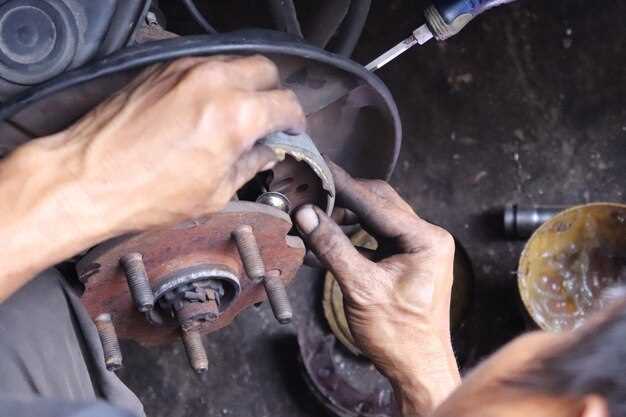
Maintaining the safety of your vehicle is paramount, and one crucial element of this maintenance is the brake system. The brake lines, which transport brake fluid from the master cylinder to the brake components, play a vital role in ensuring effective stopping power. Over time, these lines can deteriorate due to wear and tear, leading to potentially dangerous situations if not addressed promptly.
Identifying the signs that indicate it’s time to replace your brake lines is essential for your safety on the road. Leaking brake fluid, for instance, is a clear warning sign that your brake lines may be compromised. This can occur due to corrosion or physical damage, making it imperative to inspect the lines regularly. Additionally, if you experience a spongy brake pedal or a loss of brake responsiveness, these can signal air or moisture in the brake lines, further underscoring the need for immediate attention.
Moreover, aged or damaged brake lines can affect your vehicle’s overall braking efficiency, putting your safety at risk. Regular inspections and maintenance are vital for detecting issues early and ensuring the reliability of your braking system. Remember, timely action can prevent accidents and safeguard not only your life but also the lives of others on the road.
Understanding the Importance of Brake Line Integrity
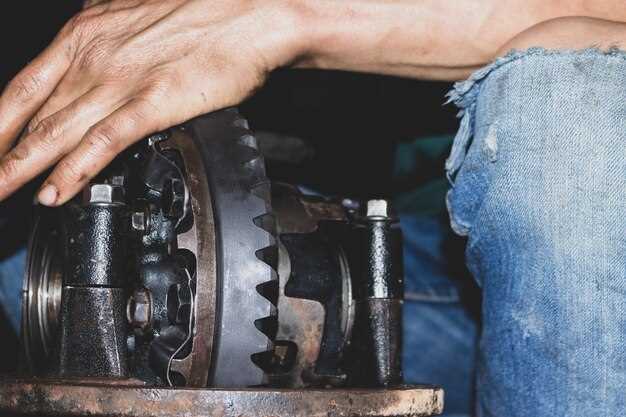
Brake lines are a critical component of your vehicle’s braking system, directly influencing its performance and safety. These lines are responsible for transporting brake fluid from the master cylinder to the brake calipers, facilitating effective stopping power. Any compromise in the integrity of brake lines can lead to brake failure, which poses serious risks on the road.
Maintaining the integrity of brake lines is essential for ensuring that your brakes function properly when needed. Over time, brake lines can become corroded, cracked, or damaged due to environmental factors, age, or wear and tear. Such degradation can result in leaks, leading to a loss of hydraulic pressure and, ultimately, a failure in braking capability.
In addition to the immediate safety concerns, faulty brake lines can also affect overall vehicle performance. When brake lines are not functioning optimally, it can lead to uneven braking, increased stopping distances, and decreased responsiveness. This impacts not just the driver but also passengers and others on the road.
Regular inspection and maintenance of brake lines are crucial for preserving their integrity. Signs of wear, such as rust, fluid leaks, or bulging, should be addressed promptly. Investing in quality components and seeking professional evaluations can make a significant difference in ensuring your vehicle remains safe to drive.
Identifying Warning Signs of Brake Line Damage
Brake lines are critical for your vehicle’s safety, as they transfer hydraulic fluid to the brake components. Recognizing signs of damage early can prevent severe accidents. One of the first warning signs is visible corrosion or rust on the brake lines. If you notice any discoloration, this could indicate deterioration that must be addressed.
Another sign is a soft or spongy brake pedal. If the pedal feels unusually soft when pressed, it may indicate that air has infiltrated the brake lines, or there could be a fluid leak. A decrease in brake response time is also a crucial warning. If your vehicle takes longer to stop or feels less responsive, this could be due to compromised brake lines.
In addition, check for any fluid leaks under your vehicle. Brake fluid is typically clear to amber; finding any puddle or stain where you park is a potential indication of a brake line issue. Lastly, listen for any unusual noises when applying the brakes. Grinding or squeaking sounds can signify worn-out components, which may include your brake lines.
Regular inspection of your brake system is vital for maintaining vehicle safety. Addressing any of these warning signs promptly will ensure your brakes function correctly and keep you safe on the road.
Evaluating Brake Fluid Leaks and Their Implications

Brake fluid leaks can be a serious issue that directly impacts the performance and safety of your vehicle. It’s essential to evaluate these leaks promptly to avoid catastrophic brake failure. When brake lines become corroded or damaged, they can allow brake fluid to escape, leading to a loss of pressure in the braking system.
Identifying the Source of Leaks is the first step in addressing brake fluid issues. Check the brake lines for visible signs of wear, such as cracks, fraying, or corrosion. Pay close attention to the areas where brake lines connect to various components, as these joints are often susceptible to leaks. Using a flashlight can help illuminate any potential trouble spots.
Once a leak is identified, understanding its implications is crucial. A small leak may seem manageable, but even minor fluid loss can compromise your braking effectiveness. Brake fluid is hygroscopic, meaning it absorbs moisture from the air, which can further degrade your brake system over time. If the leak persists, it could lead to a complete brake failure, endangering both you and other road users.
In addition to evaluating the physical condition of the lines, it’s vital to monitor brake fluid levels regularly. If you notice a consistent drop in the fluid level, it’s a clear indication that there may be a leak somewhere in the system. Always check your vehicle’s owner manual for the recommended fluid types and refill instructions, but never ignore a dip in levels, as this could signify a underlying problem.
In conclusion, promptly evaluating brake fluid leaks is essential to maintaining the safety and functionality of your vehicle’s braking system. If you suspect a leak, especially within the brake lines, seek the expertise of a qualified mechanic to determine the best course of action to ensure your vehicle remains safe on the road.
Assessing Brake Line Corrosion and Wear
Corrosion is a common issue that affects brake lines over time, leading to potential failure and safety risks. The first signs of corrosion often appear as surface rust, which can be identified by visually inspecting the brake lines. Look for reddish-brown discoloration or flaky deposits on the exterior of the lines.
In addition to visual signs, check for any leakage around the brake lines. Even minor drips can indicate a breach caused by corrosion. It is crucial to monitor the area where brake lines connect to brake components, as this is a common point for wear and corrosion to develop.
Pay attention to the material of the brake lines. Steel lines are particularly vulnerable to corrosion, while stainless steel or plastic-coated options may provide better resistance. If your vehicle is equipped with steel lines, consider replacing them with more durable alternatives when assessing wear.
Look for signs of bulging, cracking, or pitting along the length of the brake lines. These deformations can stunt the line’s performance and compromise your braking system’s efficiency. If such damage is observed, replacement is necessary to ensure reliable braking action.
Regular maintenance and inspections can help you catch brake line corrosion early. It’s advisable to have a professional mechanic evaluate the integrity of your brake lines periodically, especially if you live in areas with harsh weather conditions or use your vehicle for towing or heavy loads.
Recognizing Changes in Brake Performance
Brakes are crucial for vehicle safety, and any changes in their performance can indicate a problem. By being attentive to how your brakes respond, you can ensure the integrity of the lines and maintain optimal safety. Look out for the following signs that may suggest it is time to replace your brake lines.
| Sign | Possible Reason |
|---|---|
| Soft or Spongy Brake Pedal | Air or moisture in the brake lines can cause a lack of responsiveness, indicating potential line issues. |
| Brake Fluid Leaks | Visible fluid around the brake lines can suggest a leak, compromising the effectiveness of the brakes. |
| Increased Stopping Distance | If you notice that your vehicle takes longer to stop, worn or damaged lines may be hindering brake fluid pressure. |
| Unusual Noises | Squeaking or grinding sounds could mean that the brake components are not engaging properly due to line deterioration. |
| Vibration or Pulsation | This can occur if the brake lines are experiencing inconsistencies, leading to uneven pressure distribution. |
Regular inspection of your brake lines is essential for preventing accidents and ensuring your vehicle operates safely. Pay attention to changes in brake performance, as they may signal the need for immediate attention to maintain safety on the road.
Determining the Right Time to Consult a Professional
When it comes to the safety of your vehicle, the condition of your brake lines is paramount. Knowing when to seek professional help is essential to ensure your driving remains safe. Here are some indicators that it’s time to consult an expert:
- Visual Inspection: If you see any signs of wear, corrosion, or leaks around your brake lines, it’s crucial to get a professional assessment immediately.
- Unusual Sounds: Hearing hissing or squeaking noises when you apply the brakes may indicate problems with the brake lines, warranting a visit to a mechanic.
- Pulsating Pedal: If you experience a pulsating sensation in the brake pedal, it could be a sign of air in the brake lines or a failing component, necessitating professional advice.
- Warning Lights: If your vehicle’s dashboard shows any warning lights related to the brake system, do not ignore them. Schedule a consultation to avoid serious safety issues.
- Decreased Braking Power: If you notice a significant decrease in your vehicle’s braking efficiency, it’s time to seek help from a professional.
Understanding these indicators can help you identify potential issues before they escalate, ensuring the safety of you and your passengers. A qualified mechanic can provide a thorough diagnosis, recommending necessary repairs or replacements to maintain optimal brake performance.