 By Frederick Brown

In today’s digital age, staying connected while on the road is essential, making a robust infotainment system a critical feature of any modern vehicle. As technology rapidly evolves, so do the expectations of drivers and passengers alike. Upgrading your infotainment system can significantly enhance the driving experience by integrating the latest tech advancements, offering improved functionality, and providing greater convenience.
Whether you are looking to add navigation services, improve connectivity options, or boost audio quality, understanding the key features that define a top-tier infotainment system is essential. From adaptive user interfaces that cater to individual preferences to seamless smartphone integration capabilities, each feature plays a vital role in creating a user-friendly environment within your vehicle.
This article will explore the most important features to consider when upgrading your infotainment system. By focusing on aspects such as system compatibility, display quality, and voice recognition capabilities, you can make an informed decision to enhance your driving experience and stay at the forefront of innovation in automotive tech.
Understanding Compatibility with Your Vehicle
When considering an upgrade to your infotainment system, the first step is to assess the compatibility of the new tech with your vehicle. This ensures seamless integration, maximizing functionality while avoiding any technical hiccups. Compatibility encompasses several factors, including the make and model of your vehicle, available features, and rigorous testing standards.
To determine compatibility, you should start by checking the vehicle’s existing system specifications. This includes the input-output options available, such as USB ports, HDMI connectors, and Bluetooth capabilities. Moreover, older vehicles may have different wiring harness configurations, which can affect how new tech integrates.
Table below outlines the main compatibility considerations:
| Factor | Description |
|---|---|
| Vehicle Make & Model | Different manufacturers may have unique systems. Ensure your new infotainment system is designed to work with your specific vehicle brand. |
| Wiring Harness | The wiring harness connects your new infotainment system to the vehicle. Check if additional adapters are needed for installation. |
| Existing Features | Assess which features from your current system you want to retain, such as steering wheel controls or backup cameras. |
| Software Compatibility | Ensure that the software of the new system supports the technology in your vehicle, including apps and services. |
| Firmware Updates | Check if the new system allows for firmware updates, which can improve compatibility with future tech enhancements. |
Research is vital; consult your vehicle’s manual and manufacturer’s website for specific guidelines. Furthermore, community forums and review sites can provide insights from users who have attempted similar upgrades.
By thoroughly understanding the compatibility factors, you can avoid costly mistakes and ensure that your new infotainment system works harmoniously with your vehicle’s tech environment.
Evaluation of User Interface and Experience
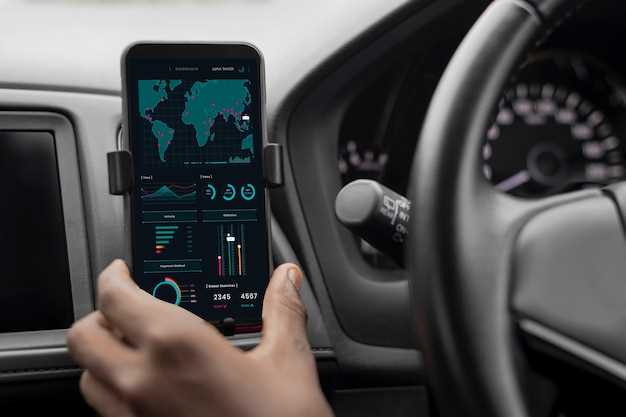
When upgrading your infotainment system, evaluating the user interface (UI) and user experience (UX) is crucial. A well-designed tech interface not only enhances usability but also impacts overall satisfaction and driving safety.
The evaluation process involves several key aspects:
- Intuitiveness: The interface should be intuitive, allowing users to quickly access features without unnecessary complexity.
- Responsiveness: Fast response times are essential. Users expect immediate feedback when interacting with buttons and touchscreens.
- Visual Design: Aesthetic appeal plays a significant role. Clear icons, appealing color schemes, and organized layouts contribute to a positive experience.
- Consistency: Consistent design elements across different screens help users predict interactions and reduce learning time.
- Customization: Allowing users to personalize settings helps create a more engaging and relevant experience.
To ensure a comprehensive evaluation, consider implementing the following methods:
- User Testing: Gather a group of users representative of your target audience to interact with the system. Observe their behavior and gather feedback.
- Surveys and Questionnaires: After using the system, ask users to rate their experience on various aspects of the interface.
- Comparative Analysis: Compare the UI of different infotainment systems to identify strengths and weaknesses.
- Usability Metrics: Analyze metrics such as task completion rates and time to complete tasks for quantitative insights.
Through systematic evaluation of the UI and UX, you can identify improvements that will enhance user satisfaction, ensuring that the upgraded infotainment system meets modern tech standards and user expectations.
Integration with Mobile Devices and Apps
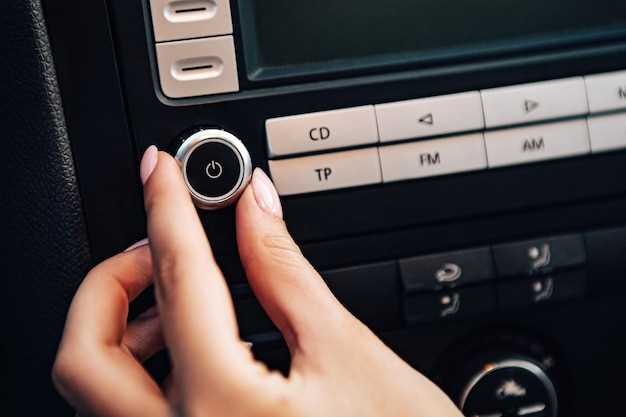
One of the most significant advancements in modern infotainment systems is their ability to seamlessly integrate with mobile devices. This integration allows users to harness the full potential of their smartphones and tablets while driving. By connecting via Bluetooth, USB, or Wi-Fi, users can access music, navigation, and communication apps directly through their vehicle’s interface.
Through platforms like Apple CarPlay and Android Auto, drivers can mirror their device’s screen, ensuring that essential applications are always at their fingertips. This not only enhances convenience but also promotes safety, allowing users to make calls, send messages, and navigate without needing to glance at their phones.
Moreover, compatibility with various apps expands the functionality of infotainment systems. For instance, streaming services enable users to listen to their favorite podcasts and music libraries effortlessly. Navigation apps provide real-time traffic updates and route optimizations, enhancing the driving experience.
Additionally, developers are continually creating new applications designed specifically for integration with infotainment systems, which broadens the ecosystem of available features. As technology evolves, we can expect even more innovative functionalities that will further enrich the in-car experience, making it essential for users to consider mobile device integration when upgrading their infotainment systems.
Audio and Sound Quality Enhancements
Upgrading your infotainment system can significantly improve your in-car audio and sound quality. One of the primary considerations is the inclusion of high-resolution audio support, allowing you to enjoy music in formats that retain more details than standard-quality files. Integrating DACs (Digital-to-Analog Converters) with higher bit rates enhances the clarity and depth of sound, providing an immersive listening experience.
Another vital feature to look for is advanced equalization settings. This allows users to customize audio profiles based on personal preferences or specific genres, ensuring that each listening experience is tailored for optimal enjoyment. Additionally, multi-channel sound processing can create a surround sound effect, making music and audio playback more engaging.
For those who value bass response, look for infotainment systems that support subwoofer output. A dedicated subwoofer can add richness and depth to low-frequency sounds, transforming your vehicle into a mini-concert hall. Furthermore, room correction technology can automatically adjust the system settings based on the acoustics of your car interior to ensure balanced sound distribution.
Bluetooth streaming capabilities with aptX codec support can also enhance audio quality during wireless playback, reducing latency and improving overall sound fidelity. Finally, the integration of quality speakers and amplifiers is crucial. Investing in high-efficiency speakers can provide a fuller sound, which, when paired with a powerful amplifier, results in a dynamic audio experience that elevates every journey.
Navigational Features and Updates
Upgrading your infotainment system often brings significant enhancements to navigational capabilities. Modern systems now include real-time traffic information, which allows drivers to avoid congested routes and reduce travel time. Integrated GPS solutions, coupled with detailed maps, provide precise directions and a user-friendly interface that simplifies navigation.
Additionally, many infotainment systems offer voice command features, enabling hands-free operation for a safer driving experience. These systems frequently update their databases, ensuring drivers have access to the latest road layouts, points of interest, and other essential data. Regular updates can also introduce new routing algorithms, improving the efficiency of suggested routes.
Some advanced systems incorporate artificial intelligence, learning user preferences over time to offer personalized navigation options. These updates can enhance route recommendations based on time of day, weather conditions, or even users’ past travel habits, making travel not only easier but also more tailored to individual needs.
Connectivity options, such as smartphone integration with apps like Google Maps or Waze, further expand navigational features. This integration allows users to benefit from peer-driven insights, giving access to real-time information about road conditions, accidents, and alternative routes. With these advancements, upgrading your infotainment system can drastically improve the overall navigation experience.
Future-Proofing with Software Updates and Connectivity
Upgrading your infotainment system requires careful consideration of future-proofing features, particularly software updates and connectivity options. Regular software updates are essential for keeping your infotainment system running smoothly and securely. They can add new functions, improve system stability, and enhance compatibility with the latest applications and devices. Over-the-air (OTA) updates allow users to upgrade their systems seamlessly, eliminating the need to visit a dealership for service. This ensures your infotainment system remains up-to-date without added inconvenience.
Connectivity is another critical aspect of future-proofing. Modern infotainment systems should support a variety of connectivity options, including Bluetooth, Wi-Fi, and smartphone integration platforms like Apple CarPlay and Android Auto. These features enable users to access their favorite apps and services directly from the dashboard, enhancing the overall driving experience. Moreover, with the rise of connected vehicles, robust connectivity ensures compatibility with upcoming technologies, such as smart home devices and advanced navigation systems.
Investing in an infotainment system equipped with strong software update capabilities and versatile connectivity options not only enhances current functionality but also prepares your vehicle for future advancements. As technology continues to evolve, having an adaptable infotainment system will keep you connected and engaged on the road for years to come.