 By Frederick Brown
In the world of automotive performance, one of the most effective ways to enhance your vehicle’s efficiency and power is through upgrading its fuel injectors. These small yet crucial components play a vital role in delivering the right amount of fuel into the engine, ensuring optimal combustion and, ultimately, improved performance. When you consider the impact that high-performance fuel injectors can have on your vehicle, it’s clear why many enthusiasts turn to this modification as a way to elevate their driving experience.
Fuel injectors are responsible for atomizing and delivering fuel directly into the combustion chamber. By upgrading to a high-performance set, drivers can expect not only increased fuel flow but also better fuel atomization. This leads to a more efficient combustion process, which can result in enhanced horsepower and torque. Moreover, with the right injectors, you can achieve better throttle response, making your vehicle more exhilarating to drive.
Additionally, it’s important to consider that selecting the right fuel injectors requires an understanding of your vehicle’s specific needs. Factors such as engine size, type of fuel, and your performance goals play a critical role in this decision. Investing in high-performance fuel injectors not only contributes to your vehicle’s power but can also enhance its overall reliability and longevity. By ensuring your engine is getting the precise amount of fuel it needs, you can maintain smoother operation and potentially even improve fuel economy.
Understanding the Benefits of High-Performance Fuel Injectors
High-performance fuel injectors are essential upgrades for enthusiasts seeking to enhance their vehicle’s power and efficiency. These injectors provide a precise delivery of fuel, optimizing the air-fuel mixture for improved combustion. This enhancement leads to better throttle response and overall acceleration, making a noticeable difference in driving performance.
One of the primary advantages of high-performance fuel injectors is their ability to support increased horsepower. By delivering more fuel at the required pressure, these injectors enable engines to produce greater power output, making them ideal for modified or turbocharged vehicles. This increased fuel flow is crucial for engines operating at higher RPMs or under extreme conditions.
In addition to power gains, high-performance fuel injectors contribute to fuel efficiency. When properly calibrated, they can improve the atomization of fuel, resulting in more complete combustion. This means that the engine can achieve optimal performance without wasting fuel, leading to better mileage and reduced emissions.
Moreover, high-performance fuel injectors often come with enhanced durability and resistance to wear. Designed to withstand harsher conditions, these injectors can handle the demands of high-output engines, ensuring long-term reliability and consistent performance. Investing in quality injectors can prevent frequent replacements, ultimately saving costs in the long run.
Lastly, adjusting or tuning your engine’s ECU (Engine Control Unit) in conjunction with upgraded injectors maximizes their potential. This synergy results in finely tuned performance, allowing for an exhilarating driving experience that meets the demands of performance-oriented drivers.
How to Choose the Right Fuel Injectors for Your Vehicle
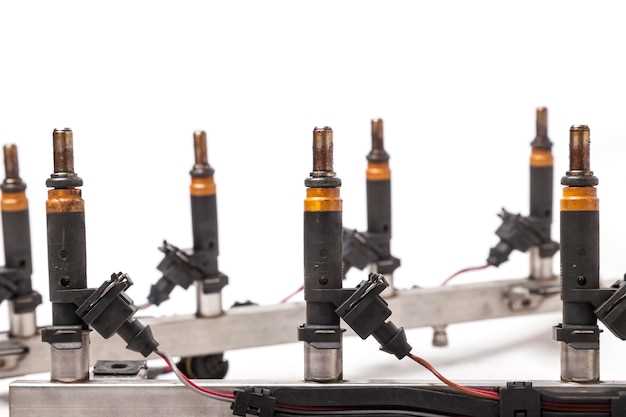
When upgrading your vehicle’s performance, selecting the right fuel injectors is critical. High-performance injectors can significantly enhance engine efficiency, power output, and overall driving experience. Here’s a guide to help you make an informed decision:
- Understand Your Engine Requirements:
Start by knowing your engine’s specifications, including horsepower targets and air-fuel ratio requirements. Consult your vehicle’s manual or a performance tuning expert to determine the optimal injector size.
- Determine Injector Flow Rate:
The flow rate of injectors is measured in pounds per hour (lb/hr) or cubic centimeters per minute (cc/min). Calculate the total fuel requirements of your engine based on its horsepower and desired performance level. Aim for injectors that can deliver adequate flow without being oversized, which can lead to poor fuel atomization.
- Choose the Right Injector Type:
There are various types of fuel injectors, including port fuel injectors and direct injectors. Evaluate the compatibility with your engine type. Additionally, consider the material used in the injector, as high-performance materials can withstand higher fuel pressures and provide better longevity.
- Check Compatibility:
Before purchasing, ensure that the injectors are compatible with your vehicle’s make and model. This includes verifying the connector type, mounting style, and electrical resistance. Mismatched injectors can lead to installation headaches or performance issues.
- Research Brand Reputation:
Choose injectors from reputable manufacturers known for their performance products. Look for reviews or testimonials from other users who have installed the same injectors in similar vehicles.
- Consider Tuning Requirements:
Installing high-performance injectors often requires re-tuning your engine management system. Ensure you have the necessary hardware or software to recalibrate your engine’s fuel maps for optimal performance.
- Evaluate Price vs. Performance:
While it might be tempting to go for the most affordable option, consider the long-term benefits of investing in higher-quality injectors that offer improved performance and reliability.
By following these steps, you can select the right fuel injectors that will enhance your vehicle’s performance and provide a thrilling driving experience.
Installation Process for High-Performance Fuel Injectors
Installing high-performance fuel injectors can significantly enhance your vehicle’s performance, efficiency, and throttle response. Follow these steps to ensure a successful installation.
Before you start, gather the necessary tools and components, including high-performance fuel injectors, fuel line wrenches, a torque wrench, and safety gear. Ensure the engine is cool and the vehicle is on a flat surface.
Begin by relieving the fuel pressure in the fuel system. This can be done by removing the fuel pump fuse and running the engine until it stalls. Turn off the ignition and disconnect the battery to prevent any electrical issues during the installation.
| Step | Action |
|---|---|
| 1 | Remove the engine cover, if applicable, to access the fuel rail. |
| 2 | Disconnect the fuel lines connected to the fuel rail. Be prepared for some fuel spillage. |
| 3 | Unbolt the fuel rail from the intake manifold. Carefully lift it to access the old fuel injectors. |
| 4 | Remove the existing fuel injectors by twisting and pulling them out of the fuel rail. |
| 5 | Lubricate the O-rings of the new high-performance fuel injectors with clean engine oil to facilitate installation. |
| 6 | Insert the new fuel injectors into the fuel rail. Ensure a snug fit to prevent leaks. |
| 7 | Reinstall the fuel rail back onto the intake manifold, securing it with the bolts. |
| 8 | Reconnect the fuel lines, ensuring they are properly seated and tightened. |
| 9 | Reconnect the battery and replace the fuel pump fuse. |
| 10 | Prime the fuel system by turning the ignition to the “On” position for a few seconds, then check for leaks. |
Once confirmed that there are no leaks, start the engine and monitor its performance. High-performance fuel injectors should offer improved fuel delivery, leading to enhanced power and efficiency. Regular maintenance checks are recommended to ensure optimal functioning.
Tuning Your Engine After Fuel Injector Upgrade
Upgrading to high-performance fuel injectors is a significant step toward enhancing your vehicle’s overall performance. However, to fully harness the benefits of these injectors, it is crucial to tune your engine accordingly. Proper tuning ensures that the new injectors deliver the right amount of fuel for optimal combustion, preventing issues such as lean conditions or poor throttle response.
Firstly, after installing high-performance injectors, it is essential to adjust the engine’s air-fuel ratio. This can be achieved through reprogramming the engine control unit (ECU) or using a standalone engine management system. A precise balance between air and fuel improves the efficiency of combustion, unlocking more horsepower and torque.
Additionally, you should monitor the fuel pressure to make sure it aligns with the specifications for your new injectors. High-performance injectors may require a different fuel pressure setting. Using a fuel pressure regulator can help maintain the appropriate pressure, ensuring that the injectors perform at their best.
Furthermore, consider upgrading other related components, such as the air intake and exhaust systems, to complement the enhanced fuel delivery. This holistic approach ensures that your engine can process the increased fuel more effectively, maximizing the overall performance gains.
Finally, performing a dyno test after tuning is recommended to confirm the improvements. This test provides valuable data on horsepower, torque, and overall engine efficiency, allowing you to make fine-tuned adjustments if necessary. By taking these steps, you not only enhance the performance of your vehicle but also ensure its longevity and reliability after the fuel injector upgrade.
Common Issues During Fuel Injector Upgrades and Solutions
Upgrading your vehicle with high-performance fuel injectors can significantly enhance fuel efficiency and engine performance. However, this process is not without its challenges. Here are some common issues you may encounter during fuel injector upgrades and their corresponding solutions.
-
Incorrect Injector Sizing:
Using fuel injectors that are not appropriately sized for your engine can lead to performance issues. Oversized injectors may cause rich fuel mixtures, while undersized injectors can restrict fuel flow.
Solution: Consult with a professional or use manufacturer recommendations to find the optimal injector size for your engine specifications.
-
Fuel Delivery Problems:
Inadequate fuel pressure or flow can hinder the performance of your new injectors, leading to suboptimal engine performance.
Solution: Ensure that your fuel pump is compatible with high-performance injectors and consider upgrading it if necessary to meet the new demands.
-
Improper Installation:
Incorrect installation can result in fuel leaks or injector failure. This might damage your engine and reduce performance.
Solution: Follow installation guides meticulously or have the upgrade performed by a qualified mechanic to ensure everything is correctly fitted.
-
Electrical Compatibility Issues:
High-performance fuel injectors may require different electrical connections or fuel management systems, leading to potential misfires or engine codes.
Solution: Verify that your vehicle’s wiring and ECU can handle the new injectors, possibly requiring a re-tuning of the engine management system.
-
Fuel Quality:
Using lower quality fuel can negate the benefits of performance injectors, causing deposits and reduced efficiency.
Solution: Always use high-quality fuel and consider performance additives to keep your injectors clean and functioning optimally.
By addressing these common issues with appropriate solutions, you can maximize the benefits of your fuel injector upgrades and enjoy enhanced performance in your vehicle.
Maintaining Performance After Upgrading Your Fuel Injectors
Once you have upgraded your vehicle with high-performance fuel injectors, it is crucial to maintain optimal performance in order to fully benefit from the enhancements. Regular maintenance and proper tuning play a significant role in ensuring that the new injectors function efficiently and contribute to your engine’s output.
First, it’s essential to regularly check the fuel pressure and flow rate to confirm that the new injectors are delivering the correct amount of fuel. Any discrepancies may indicate a need for recalibration or further adjustments to your engine management system.
Next, consider the quality of the fuel you use. High-performance injectors can be sensitive to fuel quality, so opting for premium fuel that meets the required specifications will help maintain engine performance. Contaminants in fuel can clog the injectors, reducing efficiency and overall output.
Additionally, keep up with routine maintenance schedules, including regular inspections of the air filter and spark plugs. A clean air filter ensures optimal airflow to the engine, while properly functioning spark plugs guarantee efficient combustion, complementing the performance enhancements provided by the injectors.
Furthermore, monitoring the vehicle’s performance metrics using diagnostic tools can help identify any issues early on. This proactive approach allows you to address potential problems before they escalate, preserving the benefits of your upgrade.
Lastly, consider periodic professional tuning. A skilled technician can fine-tune the engine parameters to align better with the upgraded injectors, maximizing fuel efficiency and horsepower. Custom tuning can adapt to changes in engine behavior and maintain the desired performance levels over time.