 By Frederick Brown

Regular maintenance is essential for keeping your vehicle in optimal condition, and one of the most critical aspects of that maintenance is performing a full fluid check. Fluids play a vital role in the functionality and longevity of your vehicle, influencing everything from engine performance to braking efficiency. Without proper fluid levels, your vehicle may suffer from increased wear and tear, leading to costly repairs or even complete breakdowns.
In this comprehensive guide, we will walk you through the steps of conducting a thorough fluid check on your vehicle. By understanding how to assess and maintain vital fluids such as engine oil, coolant, transmission fluid, brake fluid, and more, you can ensure your car operates smoothly and safely. Whether you are a seasoned mechanic or a novice car owner, this guide aims to equip you with the knowledge necessary to keep your vehicle running at its best.
As you read through this guide, you will discover the critical checkpoints for each type of fluid, how to identify potential issues, and the recommended intervals for checks and changes. By incorporating these practices into your vehicle maintenance routine, you will not only enhance performance but also extend the life of your vehicle, ultimately saving you time and money in the long run.
Identifying the Necessary Fluids for Your Vehicle
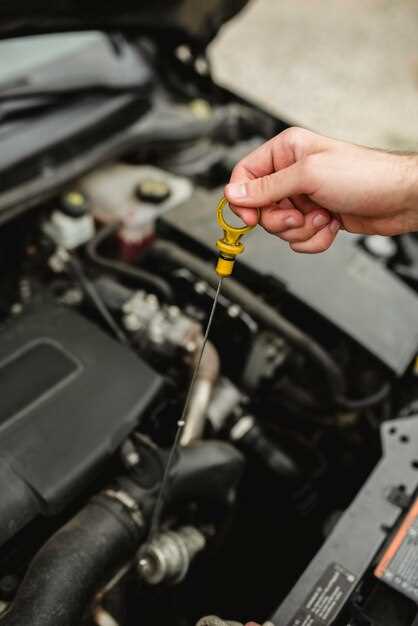
Performing regular maintenance on your vehicle requires a thorough understanding of the necessary fluids that ensure optimal performance. Identifying these fluids is crucial for keeping your engine and other components in top condition.
Engine Oil is one of the most critical fluids. It lubricates engine parts, reducing friction and preventing wear. Regularly checking the engine oil level and its condition is essential to avoid engine damage.
Coolant plays a vital role in regulating engine temperature. It helps prevent overheating and freezing. Ensure that the coolant is at the proper level and check for any signs of contamination, which can compromise its effectiveness.
Transmission Fluid is necessary for smooth gear shifting and overall transmission health. To maintain this fluid, regularly check its level and color. If it appears dark or smells burnt, it may need to be replaced.
Brake Fluid is crucial for safe braking performance. It absorbs moisture over time, which can affect braking efficiency. Check the brake fluid level and ensure it is clear; cloudy fluid indicates contamination.
Power Steering Fluid provides hydraulic assistance for steering. Low levels can lead to difficult steering maneuvers. Check the fluid regularly to maintain a smooth driving experience.
Windshield Wiper Fluid is often overlooked but is essential for clear visibility. Regularly topping off this fluid ensures that you can effectively clean your windshield, especially in adverse weather conditions.
Proper maintenance involves regularly checking all these fluids. Familiarizing yourself with their specific requirements can significantly extend the life of your vehicle and enhance its performance.
How to Check Engine Oil Levels and Condition
To maintain optimal engine performance, regularly checking your engine oil levels and condition is essential. Start by parking your vehicle on a level surface and turning off the engine. Allow it to cool for a few minutes to ensure accurate readings.
The first step is to locate the dipstick, usually marked with a bright color. Pull it out gently and wipe it clean with a lint-free cloth to eliminate any residual oil. Reinsert the dipstick fully, then remove it again to check the oil level. The dipstick will have indicators for “minimum” and “maximum” levels. Ensure the oil is within this range; if it’s below the minimum mark, it’s time to add more oil.
Next, assess the oil’s condition by examining its color and texture. Fresh oil is typically a clear, golden hue, while dirty oil may appear darker and cloudy. Additionally, check for any debris or metal shavings, which could indicate engine wear. If the oil is gritty or has a burnt smell, it requires immediate replacement.
Remember to check your oil at regular intervals, particularly before long trips or after heavy use. Regular maintenance helps prevent engine damage and extends the life of your vehicle.
Assessing Transmission Fluid: What to Look For

When performing a complete fluid check on your vehicle, assessing the transmission fluid is crucial for ensuring optimal performance and longevity. Here are the key aspects to examine during your maintenance routine:
- Color: Healthy transmission fluid typically appears bright red or pink. If the fluid looks dark brown or has a burnt odor, it may indicate contamination or overheating.
- Consistency: Check the viscosity by rubbing the fluid between your fingers. It should be smooth and not gritty. Grit or particles can signify wear or damage within the transmission.
- Odor: Fresh transmission fluid has a mild smell. A burnt smell suggests overheating, which could be due to low fluid levels or mechanical issues.
- Level: Use the dipstick to check the fluid level. It should fall within the marked range. Low levels can lead to inadequate lubrication, increasing the risk of transmission problems.
- Leakage: Inspect for any signs of fluid leaks beneath the vehicle. Puddles or spots near the transmission area can indicate a need for immediate attention.
Regularly checking your transmission fluid can prevent costly repairs and ensure your vehicle operates smoothly. If you notice any abnormalities while performing the check, it’s advisable to consult a professional for maintenance.
Checking Coolant: Importance and Inspection Steps
Coolant plays a critical role in maintaining your vehicle’s engine temperature. It helps prevent overheating, freezing, and corrosion, allowing your engine to operate efficiently. Regular maintenance and checks of your coolant levels are essential to ensure your vehicle runs smoothly and to avoid costly repairs.
To effectively check the coolant, start by ensuring the engine is cool. Opening the coolant reservoir or radiator cap while the engine is hot can lead to serious burns from steam or hot fluid. Once safe, locate the coolant reservoir, which is usually a translucent plastic container marked with minimum and maximum levels.
Begin by visually inspecting the coolant level. If it falls below the minimum mark, it is crucial to add the appropriate type of coolant as specified in your vehicle’s owner manual. Check for any signs of leaks around the reservoir, hoses, and radiator. Leaks can indicate underlying issues that need immediate attention.
Next, assess the condition of the coolant itself. It should be clear and vibrant in color, typically green, orange, or pink, depending on the type used. If the coolant appears cloudy, rusty, or has debris floating in it, a flush and replacement may be necessary. Contaminated coolant can lead to serious engine damage over time.
Lastly, periodically check the coolant’s freeze point and boiling point using a hydrometer. This simple device can help ensure that the coolant has adequate protection against extreme temperatures. Regular maintenance and checks will extend the life of your engine and improve overall performance.
Evaluating Brake Fluid: Safety and Maintenance Tips
Brake fluid is crucial for the proper functioning of your vehicle’s braking system. Regular evaluation and maintenance of brake fluid help ensure safety on the road. Here’s a guide to effectively checking your brake fluid.
Start by locating the brake fluid reservoir, usually found near the back of the engine bay. Check the fluid level against the markings on the reservoir. Make sure it is between the “MIN” and “MAX” lines.
In addition to the level, it is important to assess the condition of the fluid. Brake fluid should be clear or slightly yellow. If it appears dark or murky, it may be contaminated and should be replaced.
Another critical evaluation method is to check for moisture. Brake fluid is hygroscopic, meaning it absorbs moisture from the air, which can reduce its effectiveness. A simple test can measure the moisture content in the fluid.
| Brake Fluid Condition | Recommended Action |
|---|---|
| Clear or Light Yellow | No action needed, regular maintenance recommended. |
| Dark or Murky | Replace brake fluid immediately. |
| Moisture Present | Flush and replace brake fluid. |
Ensure you are maintaining your brake fluid according to the manufacturer’s recommendations, typically every 2 years or every 24,000 miles, whichever comes first. Additionally, regular inspections and top-ups will keep your braking system functioning optimally.
Always follow safety precautions when working with brake fluid, as it can damage paint and surfaces. If you are unsure about the process, consult a professional technician to ensure your vehicle remains safe and reliable.
Maintaining Power Steering and Windshield Washer Fluids
Proper maintenance of power steering and windshield washer fluids is essential for your vehicle’s performance and safety. Both fluids play crucial roles in ensuring that your car functions smoothly, providing you with better control and visibility on the road.
Power Steering Fluid: This fluid acts as a hydraulic medium that facilitates the movement of the steering mechanism. Regular checks are necessary to prevent steering problems. Start by locating the power steering fluid reservoir. Typically marked with a specific symbol, the reservoir should be checked while the engine is running and at operating temperature. If the fluid level is below the recommended mark, top it off with the appropriate type of fluid as specified in your owner’s manual. Additionally, look for signs of leakage and monitor the fluid’s color and consistency–dark or grimy fluid may indicate contamination or the need for a complete fluid change.
Windshield Washer Fluid: Clear visibility is paramount for safe driving, making windshield washer fluid equally important. Inspect the fluid level in the washer reservoir, usually labeled under the hood. Fill it with a suitable washer fluid, especially during winter months when freezing can occur. Be sure to choose a fluid that contains antifreeze properties to prevent it from solidifying in cold weather. Regularly clean the nozzles to ensure an even spray and avoid clogs, which can hinder the effectiveness of the system.
In conclusion, consistent fluid checks and proper top-ups for both power steering and windshield washer systems will extend the lifespan of your vehicle and enhance your driving experience. Adhering to these maintenance practices will help you avoid costly repairs and ensure that your vehicle remains safe and reliable.