 By Frederick Brown
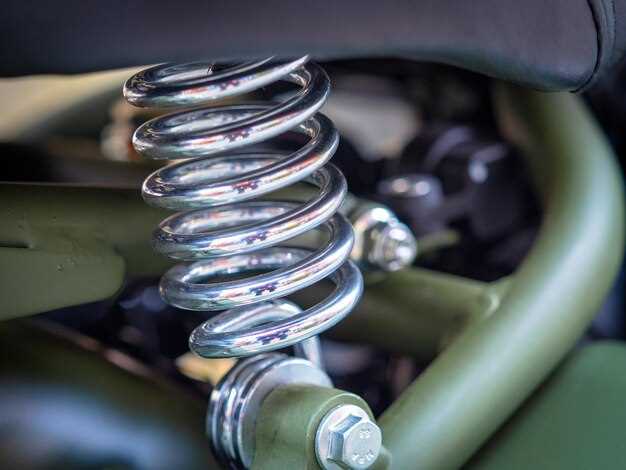
When it comes to tuning your vehicle, selecting the right suspension components is crucial for optimal performance and handling. Among various options, coilovers stand out as a popular choice among car enthusiasts. They offer the ability to fine-tune ride height and damping characteristics, allowing for a customized driving experience that caters to both daily use and track performance.
In the world of automotive tuning, not all coilovers are created equal. The market is flooded with numerous brands and models, each boasting unique features and specifications. Therefore, understanding what to look for in a coilover kit is essential to ensure it aligns with your specific vehicle build and driving style. Factors such as adjustability, build quality, and intended use can significantly impact your selection process.
This article aims to provide an in-depth guide on how to choose the best coilover kit for your vehicle build. We will explore different types of coilovers, their key characteristics, and how they can enhance your vehicle’s performance. Whether you are a seasoned enthusiast or new to the world of tuning, our comprehensive approach will help you make an informed decision, ensuring your car handles like a dream.
Understanding Suspension Characteristics and Tuning Goals
Choosing the right coilover kit requires a solid understanding of suspension characteristics and your specific tuning goals. The suspension system of a vehicle plays a vital role in handling, ride quality, and overall driving experience. It is crucial to assess these attributes when selecting coilovers.
Suspension characteristics can be categorized into several key elements:
- Spring Rate: This refers to the stiffness of the springs within the coilover. A higher spring rate results in a firmer ride, which can enhance handling but may compromise comfort. Conversely, a lower spring rate typically offers a softer ride at the expense of responsiveness.
- Damping: Damping adjusts how quickly the suspension absorbs and rebounds from bumps. Adjustable damping allows drivers to customize how their vehicle responds to different driving conditions. This can greatly impact both performance and comfort.
- Ride Height: Coilovers allow for ride height adjustments. A lower ride height can improve aerodynamics and handling but may lead to bottoming out on rough surfaces. Consider the intended use when deciding on this parameter.
- Shock Absorbers: The type of shock absorbers within a coilover system greatly influences performance. Monotube shocks typically offer better performance due to their design, while twin-tube shocks may provide a more comfortable ride.
When setting tuning goals, it is essential to align them with your driving style and preferences:
- Track Performance: If you’re focused on racing, opt for stiffer springs and adjustable dampers to hone in on a setup that maximizes cornering grip and stability.
- Street Comfort: For daily driving, prioritize softer springs and a setup that offers a balance between comfort and handling. This will help mitigate bumps and potholes in urban environments.
- Off-Road Capability: For off-road applications, consider coilovers that can handle increased travel and have robust damping characteristics to absorb larger impacts on uneven terrain.
- Aesthetic Preferences: If appearance is a priority, select coilovers that allow for significant height adjustment to achieve the desired stance while maintaining performance qualities.
Ultimately, understanding suspension characteristics and identifying your tuning goals will guide you in selecting the best coilover kit. This process ensures that you create a vehicle that not only meets your aesthetic expectations but also performs excellently across your intended driving scenarios.
Key Features to Look for in Coilover Kits

When selecting coilovers for your vehicle build, several key features should be prioritized to ensure optimal suspension performance. First, consider the adjustability of the coilover system. Adjustable coilovers allow you to modify ride height, preload, and damping settings, providing a customized driving experience tailored to your preferences and driving conditions.
Next, look for high-quality materials used in the construction of the coilovers. Aluminum and stainless steel are preferred materials due to their durability and corrosion resistance. A robust build is essential for handling the stresses of the road and maintaining performance over time.
The design of the coilovers is also crucial. Features such as strut mounts and pillow ball upper mounts enhance suspension stiffness and improve response during cornering. This design contributes to better handling and a more engaged driving experience.
Another important aspect is the damping system. Coilovers typically come with either fixed or adjustable damping. Adjustable damping allows drivers to fine-tune the suspension’s response to different driving conditions, making it easier to strike the perfect balance between comfort and performance.
Compatibility with your vehicle should not be overlooked. Verify that the coilover kit is specifically designed for your make and model to ensure proper fitment and functionality. This ensures that the suspension behaves as intended without any compatibility issues.
Lastly, consider the warranty and support offered by the manufacturer. A reliable warranty indicates confidence in the product’s quality, while good support can provide assistance in resolving potential issues that may arise post-installation.
Comparing Types of Coilovers: Performance vs. Daily Driving
When selecting the right coilover kit for your vehicle build, it’s essential to consider the intended use. There are two primary categories to evaluate: performance-oriented coilovers and those designed for daily driving. Each type offers distinct advantages and disadvantages that can significantly impact your driving experience.
Performance coilovers are engineered for enthusiasts seeking superior handling, improved cornering stability, and a lower ride height. These kits often feature stiffer springs, adjustable damping settings, and a reduced range of suspension travel. The focus on performance tuning enables drivers to achieve sharper steering responses and a more connected feel to the road. However, the trade-off can be a harsher ride quality, which may not be suitable for everyday driving conditions.
On the other hand, coilovers designed for daily driving prioritize comfort and versatility. These kits typically have softer spring rates that provide a smoother ride over uneven surfaces, making them more practical for urban and suburban environments. While they may offer limited adjustability in terms of performance tuning, they are engineered to balance ride comfort with competent handling. This makes them ideal for drivers who want to enhance their vehicle’s aesthetics without sacrificing daily usability.
In summary, the choice between performance and daily driving coilovers hinges on individual preferences and driving needs. If the goal is to maximize track performance and responsive handling, performance coilovers are the way to go. However, for those prioritizing a comfortable ride while maintaining a stylish look, daily driving coilovers present a more sensible option. Understanding the differences allows drivers to make informed decisions that align with their vehicle build objectives.
Compatibility Considerations for Your Vehicle Model

When selecting a coilover kit for your vehicle, it’s essential to consider the specific compatibility with your car model. Every vehicle has unique suspension geometry, weight distribution, and handling characteristics that influence how coilovers will perform. Therefore, make sure to research and choose coilovers that are specifically designed for your make and model.
First, examine the vehicle’s intended use. If you plan to use your car primarily for daily driving, look for a coilover kit that offers a comfortable ride while still allowing for some tuning capabilities. On the other hand, if you frequently participate in racing or track events, opt for stiffer coilovers with adjustable dampening settings to fine-tune performance.
Secondly, consider the installation process. Some coilover kits might require additional modifications, such as camber adjustments or other suspension changes. Verify that the kit you choose is compatible and doesn’t necessitate extensive alterations, which could lead to increased labor costs and complexity.
Also, ensure that the coilovers are designed to fit within your vehicle’s OEM specifications. This includes checking for clearance with wheels, brakes, and other suspension components to avoid rubbing or binding issues. Mismatched coilovers can lead to premature wear or failure, compromising both performance and safety.
Finally, consult reviews and recommendations from other vehicle owners with similar setups. Networking within online forums or seeking advice from local automotive specialists can provide valuable insights on the best coilover options that align with your tuning goals while ensuring compatibility with your vehicle’s characteristics.
Installation Tips and Common Pitfalls to Avoid
Installing coilovers can significantly enhance your vehicle’s suspension performance, but it requires careful attention to detail. Here are crucial installation tips to consider and common pitfalls to avoid for an optimal setup.
| Tip | Description |
|---|---|
| Read the Manual | Always start by reading the manufacturer’s manual. This document will provide specific instructions and torque specifications that are vital for a successful installation. |
| Gather Necessary Tools | Ensure you have all the necessary tools handy before starting. Common tools include wrenches, a torque wrench, jack stands, and a spring compressor. |
| Prep the Vehicle | Before beginning installation, make sure your vehicle is on a flat surface and securely lifted using jack stands. This prevents any accidents during installation. |
| Adjust Ride Height | Adjust the coilover height before installation based on your desired stance. This can save time and hassle later. |
| Inspect Components | Check all related suspension components for wear or damage. Replacing worn parts can prevent issues after installing the new coilovers. |
| Use Lubrication | Applying appropriate lubrication to bolts and mounting points can help prevent galling and ease future adjustments. |
| Double-Check Alignment | After installation, have the alignment checked by a professional. Proper alignment is critical for optimal handling and tire wear. |
Common pitfalls to avoid include:
- Incorrect Tightening: Over-tightening or under-tightening can lead to suspension failure. Always use a torque wrench as specified in the manual.
- Ignoring Suspension Geometry: Altering ride height without understanding how it affects suspension geometry can lead to negative handling characteristics.
- Skipping Alignment: Failing to get a professional alignment can result in uneven tire wear and compromised handling performance.
- Rushing the Process: Take your time during installation. Rushing can lead to mistakes that may affect the overall performance of your vehicle’s suspension.
By following these installation tips and avoiding common pitfalls, you can ensure a successful coilover installation that enhances your vehicle’s suspension performance.
Budgeting for Coilovers: Cost vs. Quality Analysis
When considering a coilover kit for your vehicle, understanding the balance between cost and quality is crucial. Suspension components can significantly impact both performance and comfort, making the right choice essential for your build.
Coilovers vary widely in price, typically ranging from budget options to high-end brands. Here’s a breakdown of the factors to consider when budgeting:
- Material: Higher quality coilovers often use superior materials, such as aluminum and high-grade steel, which can enhance durability and performance.
- Adjustability: More expensive coilovers usually offer extensive adjustability, allowing you to tune the ride height and damping to suit your driving needs.
- Brand Reputation: Well-known brands often provide better customer support and warranties, reflecting their commitment to quality.
- Installation Complexity: Cheaper kits may require more alterations to your vehicle, leading to additional costs in labor or parts.
While it may be tempting to choose the least expensive option, consider the long-term implications:
- Performance: Investing in a higher quality coilover will yield better handling and ride comfort, enhancing your overall driving experience.
- Longevity: Cheap coilovers may wear out faster, leading to additional replacement or maintenance costs over time.
- Resale Value: Quality suspension upgrades can increase the resale value of your vehicle, as they indicate a well-maintained build.
In conclusion, while setting a budget for coilovers, remember to weigh cost against quality. Choosing a reliable suspension setup is not just a short-term expense but an investment in your vehicle’s performance and longevity.