 By Frederick Brown

In the realm of automotive maintenance, fuel system cleaners have become a popular topic among car enthusiasts and everyday drivers alike. Many vehicle owners wonder whether these products genuinely improve engine performance or if they are just another marketing gimmick. With rising fuel prices and increasing demands for fuel efficiency, understanding the impact of fuel system cleaners is crucial for maintaining your vehicle’s health.
Fuel system cleaners are designed to dissolve carbon deposits and other contaminants that can accumulate in the fuel injectors, intake valves, and combustion chambers over time. These deposits can hinder optimal engine performance by disrupting the fuel-air mixture, leading to reduced efficiency and increased emissions. By using a cleaner, drivers aim to restore their vehicle’s power and efficiency, but the question remains: are these products effective?
To determine the efficacy of fuel system cleaners, it is essential to consider the type of cleaner, the specific formulation, and how frequently it is used. While some products may deliver noticeable improvements in performance, others might not live up to their claims. This article delves into the science behind these cleaners, exploring their benefits and limitations to help you make an informed decision about your vehicle’s maintenance.
What Are Fuel System Cleaners and How Do They Work?
Fuel system cleaners are specialized chemical formulations designed to clean various components of a vehicle’s fuel system, including fuel injectors, intake valves, and combustion chambers. These cleaners help maintain optimal engine performance by removing deposits and contaminants that accumulate over time due to fuel combustion and environmental factors.
Fuel system cleaners typically contain powerful solvents and detergents that dissolve carbon deposits, varnishes, and other buildups that can hinder the flow of fuel and adversely affect engine efficiency. When added to the fuel tank, the cleaner mixes with the gasoline or diesel and is delivered to all parts of the fuel system during regular operation. As the engine runs, the cleaner works to break down and flush out unwanted deposits, restoring the fuel system’s functionality.
Regular maintenance with fuel system cleaners can enhance fuel economy, reduce emissions, and improve overall engine performance by ensuring that fuel flows smoothly and effectively. It is important to select a cleaner that is compatible with your vehicle’s fuel type to maximize the benefits and maintain the integrity of the fuel system. The effectiveness of these products can vary, so following manufacturer recommendations and using them appropriately is essential for achieving the desired results.
Signs That Indicate Your Fuel System Needs Cleaning
Regular maintenance of your vehicle’s fuel system is essential for optimal performance. Over time, fuel injectors and other components can accumulate deposits that hinder efficiency. Here are some signs that your fuel system may require a cleaner:
- Reduced Engine Performance: If you notice a decrease in acceleration or difficulty in reaching higher speeds, it may indicate that fuel delivery is impaired.
- Engine Roughness: A rough idle or uneven engine performance can signal that fuel injectors are clogged, affecting the combustion process.
- Poor Fuel Economy: A sudden drop in miles per gallon can be a clear indication that your fuel system is not delivering fuel efficiently.
- Increased Emissions: If your vehicle fails emissions tests or produces more exhaust than usual, it could be due to residue buildup in the fuel system.
- Starting Issues: Difficulty in starting the engine or prolonged cranking can indicate that fuel is not reaching the engine effectively.
- Warning Lights: Dashboard warning lights, particularly the check engine light, may signal fuel system problems, necessitating a thorough inspection.
Cleaning the fuel system with a specialized cleaner can often remedy these issues, restoring your vehicle’s performance and efficiency. Regular checks and maintenance will help in preventing serious problems down the road.
Comparing Different Types of Fuel System Cleaners
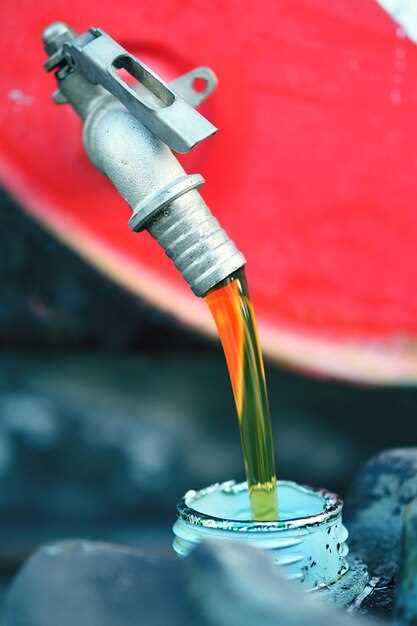
Fuel system cleaners come in various formulations and types, each designed to address specific maintenance needs of a vehicle’s fuel system. Understanding the differences among them can help you choose the right product for your engine’s requirements.
One common type is a proactive fuel injector cleaner, which is added directly to the fuel tank. These cleaners are formulated to keep injectors clean and maintain optimal spray patterns. Regular use can prevent buildup and improve combustion efficiency, ultimately enhancing engine performance.
An alternative is a professional-grade fuel system cleaner, typically used by automotive professionals. These products are more concentrated and deliver a deeper clean. They often require a specific application method, such as directly introducing the cleaner into the fuel lines, which can effectively remove stubborn deposits that consumer-grade options may not be able to eliminate.
Another category includes fuel line antifreeze products, which not only clean but also help prevent moisture buildup in colder climates. These cleaners are particularly useful during winter months as they prevent fuel line freeze-ups, ensuring consistent engine performance in low temperatures.
There are also cleaners specifically designed for diesel engines, which target soot and carbon deposits that accumulate in diesel fuel systems. These cleaners contribute to improved fuel efficiency and reduced emissions, making them essential for diesel maintenance.
Finally, there are specialized additives for hybrid and electric vehicles, which focus on enhancing the cleanliness of the fueling systems used in such technologies. These products cater to the unique needs of hybrid engines, promoting long-lasting performance and efficiency.
In conclusion, while all fuel system cleaners serve the primary purpose of enhancing cleanliness and performance, their specific formulations and applications differ significantly. Selecting the right type based on your vehicle’s needs can make a significant difference in maintenance and overall engine health.
How Often Should You Use Fuel System Cleaners?
Using fuel system cleaners can greatly enhance engine performance and longevity. However, the frequency of use is essential to maximize their benefits. Generally, it is advisable to use a fuel cleaner every 3,000 to 5,000 miles, especially for vehicles that operate in heavy traffic or frequently experience stop-and-go conditions.
For those utilizing lower-quality fuel, more frequent applications may be necessary. Additionally, if you notice symptoms such as reduced fuel efficiency, engine knocking, or rough idling, it may be time to apply a cleaner regardless of mileage.
Newer vehicles equipped with advanced fuel injection systems can often go longer between treatments, possibly extending to 7,500 miles. However, regular monitoring and maintenance are crucial. Consider seasonal usage as well; using a cleaner before long trips can prevent potential issues from arising during extensive travel.
Always refer to your vehicle’s manual for specific recommendations on fuel cleaner use, ensuring compatibility with your engine type. Ultimately, a balanced approach to using fuel system cleaners can lead to a more efficient and smoother-running engine.
Potential Benefits of Regular Fuel System Maintenance
Regular fuel system maintenance is essential for ensuring optimal vehicle performance and longevity. One of the primary benefits is the improvement in engine efficiency. Over time, fuel injectors and combustion chambers can accumulate deposits that hinder fuel flow and combustion. By utilizing a fuel system cleaner during maintenance, these deposits can be effectively removed, leading to smoother engine operation and improved fuel economy.
Another advantage of maintaining the fuel system is the reduction of emissions. A clean fuel system promotes more complete combustion of fuel, which results in lower levels of harmful exhaust gases. This not only benefits the environment but also helps vehicles meet regulatory emissions standards, reducing the chance of costly fines and repairs.
Additionally, regular maintenance can extend the lifespan of various engine components. A well-maintained fuel system can prevent issues such as clogged injectors, which can lead to more extensive damage if left unattended. By using cleaners as part of routine servicing, the likelihood of costly repairs decreases significantly.
Furthermore, consistent fuel system maintenance can improve overall driving experience. Drivers often notice smoother acceleration and responsiveness when their fuel systems are clean and well-maintained. This enhanced performance makes daily driving more enjoyable and can lead to higher satisfaction with the vehicle.
| Benefit | Description |
|---|---|
| Improved Engine Efficiency | Regular use of fuel system cleaners removes deposits, enhancing fuel flow and combustion. |
| Reduced Emissions | Cleaner fuel systems lead to more complete combustion, lowering harmful exhaust output. |
| Extended Component Lifespan | Maintenance prevents serious issues like clogged injectors, reducing repair costs. |
| Enhanced Driving Experience | Well-maintained fuel systems improve acceleration and vehicle responsiveness. |
Cost-Benefit Analysis of Using Fuel System Cleaners
The decision to use fuel system cleaners involves weighing the costs against the potential benefits. On one hand, the price of a fuel system cleaner ranges from $10 to $30 per bottle, depending on the brand and formulation. Regular maintenance of your vehicle’s fuel system can also incur additional costs, such as professional cleaning services, which may run from $75 to $200. Therefore, upfront expenses may deter some car owners from using these products.
On the other hand, the benefits of using a cleaner can be significant. Fuel system cleaners are designed to remove deposits and contaminants that accumulate in the fuel injectors, intake valves, and combustion chamber. This results in improved fuel efficiency, which can lead to savings on fuel over time. Many users report an increase in miles per gallon, which, depending on driving habits and fuel prices, can offset the initial investment in the cleaner.
Moreover, regular use of a fuel system cleaner can prolong the life of your engine and its components by ensuring that they operate at optimal performance levels. This preventative maintenance can save car owners from costly repairs related to poor fuel delivery or engine knocking, offering long-term economic benefits that far outweigh the initial cost of purchasing a cleaner.
Additionally, using fuel system cleaners can result in smoother engine performance and lower emissions. This can be particularly beneficial for those looking to reduce their carbon footprint and maintain compliance with environmental regulations. Improved performance can lead to enhanced driving experience and increased resale value of the vehicle.
In conclusion, while the initial cost of fuel system cleaners may seem an additional expense, the long-term savings on fuel and maintenance, coupled with the performance enhancements, create a compelling case for their use. A thorough cost-benefit analysis suggests that investing in fuel system cleaners can be a worthwhile consideration for maintaining both the efficiency and longevity of a vehicle.