 By Frederick Brown
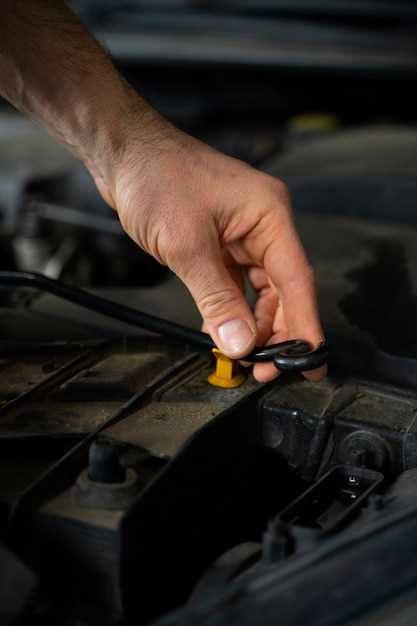
When it comes to troubleshooting electrical issues in your car, understanding the role of fuses is essential. Fuses are critical components of your vehicle’s electrical system, designed to protect circuits from overloads and prevent damage to sensitive electronics. When a fuse blows, it can lead to various problems, ranging from non-functioning lights to the failure of important systems like the radio or air conditioning.
Replacing a blown fuse is a straightforward task that can save you time and money on repairs. In this article, we will explore the different types of fuses used in cars, how to identify a blown fuse, and the steps involved in replacing it. Whether you are a seasoned car enthusiast or a new driver, understanding fuses will empower you to take control of your vehicle’s electrical health and tackle minor issues with confidence.
By the end of this guide, you will be equipped with the knowledge not only to replace a blown fuse but also to understand the underlying reasons why fuses blow in the first place. This knowledge can help you avoid future issues and ensure that your car remains in good working condition.
Identifying Types of Car Fuses: Blade, Glass, and More
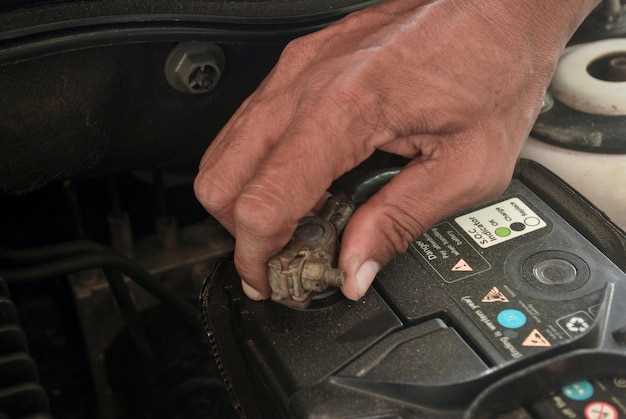
Car fuses are essential components that protect your vehicle’s electrical systems from overloads and short circuits. Understanding the different types of fuses can help you effectively identify and replace them when necessary.
The most common type of car fuse is the blade fuse, which features a rectangular body with two metal prongs that plug into a fuse box. Blade fuses come in various colors, indicating different amperage ratings, generally ranging from 2 to 40 amps. This variety allows for flexibility in protecting various circuits within the vehicle.
Glass fuses, typically found in older car models, have a cylindrical shape with metal end caps. These fuses often come in smaller amperage ratings, and they are recognizable by their transparent casing that allows users to visually inspect the wire inside. If the wire is broken or discolored, the fuse needs replacement.
Other types of car fuses include ceramic fuses, which have similar characteristics to glass fuses but are encased in ceramic materials for added durability. They are less common but still found in some vehicles. Additionally, there are maxi fuses that are larger and used primarily for high-current applications, such as power distribution systems.
Identifying the correct type of fuse is crucial for replacing them accurately. Ensure you refer to the vehicle’s owner manual to determine the appropriate fuse type and amperage for your specific car model. This knowledge not only aids in the replacement process but also helps maintain the functionality and safety of your vehicle’s electrical systems.
How to Locate the Fuse Box in Your Vehicle
Finding the fuse box in your car is an essential step for troubleshooting electrical issues. The fuse box houses various fuses that protect different electrical circuits in your vehicle. Depending on the make and model of your car, the location of the fuse box can vary significantly.
Typically, there are two main locations where you might find the fuse box. The first is under the dashboard on the driver’s side. To access it, you may need to open the driver’s door and look beneath the steering column. Sometimes, there might be a small cover that you can remove to access the fuses directly.
The second common location is in the engine compartment. Open the hood and look for a rectangular or square-shaped container, often near the battery or near the back of the engine bay. This fuse box is usually marked with a label indicating the location of specific fuses for various components, such as headlights, radio, or power windows.
If you’re having trouble locating the fuse box, check your owner’s manual. The manual contains detailed information and diagrams specific to your vehicle model, making it easier to find the fuse box and understand its layout. Remember to ensure the car is turned off before opening the fuse box to avoid any electrical hazards.
Once you locate the fuse box, you can proceed to inspect and replace any blown fuses as part of your troubleshooting process. This helps restore functionality to the affected electrical circuits in your car.
Common Signs of a Blown Fuse in Your Car
Identifying a blown fuse in your car is essential for effective troubleshooting. Here are some common signs that may indicate a fuse issue:
| Symptom | Description |
|---|---|
| Electrical Components Not Working | If certain features, such as headlights, dashboard lights, or power windows, suddenly stop functioning, it could signal a blown fuse responsible for those components. |
| Intermittent Operation | Devices that operate sporadically, such as radio or windshield wipers, may suggest a weak or blown fuse, causing inconsistent power delivery. |
| Burning Smell | A burning odor may indicate an electrical issue, possibly due to a fuse overheating before it blows. This requires immediate attention to prevent further damage. |
| Dashboard Warning Lights | Specific warning lights may illuminate on the dashboard, indicating a malfunction. Check the owner’s manual to see if there are fuse-related warnings linked to these lights. |
| Accessories Malfunctioning | If accessories, such as a GPS or phone charger, cease to work, the corresponding fuse may have blown. This is often the first sign noticed by drivers. |
Recognizing these symptoms allows for swift troubleshooting, ensuring a smooth and safe driving experience. Regularly checking your fuses as part of car maintenance can prevent unexpected failures and enhance the reliability of your vehicle.
Step-by-Step Guide to Safely Replace a Car Fuse

Replacing a blown fuse in your car is a straightforward task that can save you time and money. Follow this step-by-step guide to ensure that you do it safely and effectively.
Step 1: Identify the Problem
Begin by identifying the electrical issue in your car, such as malfunctioning lights or accessories. Consult the owner’s manual to locate the fuse box and check the corresponding fuse for the malfunctioning component.
Step 2: Gather Necessary Tools
You will need a few tools for this task, including a fuse puller or pliers, a flashlight, and a replacement fuse of the same amperage as the blown one. Check the manual for the correct amperage ratings.
Step 3: Turn Off the Car
Before beginning any work, make sure your vehicle is turned off. This will prevent electrical shock and protect you from short circuits while troubleshooting.
Step 4: Access the Fuse Box
Open the car’s fuse box. This is typically located under the dashboard or in the engine compartment. Look for the cover taking note of the layout or fuse diagram printed inside.
Step 5: Remove the Blown Fuse
Using your fuse puller or pliers, gently remove the blown fuse from its socket. Be cautious while pulling to avoid damaging the surrounding components.
Step 6: Inspect the Fuse
Visually inspect the removed fuse. A blown fuse will have a broken wire or a clouded appearance. This confirms the need for replacement.
Step 7: Install the New Fuse
Take the replacement fuse and insert it into the same slot. Ensure it fits snugly and is installed in the correct orientation. A poorly seated fuse can lead to further issues.
Step 8: Test the New Fuse
Turn on your vehicle and test the component that was previously malfunctioning. If it operates correctly, the fuse replacement was successful. If not, you may need to investigate further electrical issues.
Step 9: Close the Fuse Box
Once everything is functioning properly, close the fuse box cover securely. This protects the fuses from dust and moisture.
Step 10: Dispose of the Old Fuse
Dispose of the blown fuse properly. Keeping it can lead to confusion in future troubleshooting or maintenance tasks.
By following these steps, you can safely and effectively replace a blown fuse in your car, ensuring that your electrical systems operate smoothly.
Using a Multimeter to Test Car Fuses
Testing car fuses with a multimeter is a straightforward process that can help diagnose electrical issues in your vehicle. Follow these steps to ensure accurate results.
-
Gather Necessary Tools:
- Digital Multimeter
- Safety Gloves (optional)
- Car Manual (for fuse box location)
-
Locate the Fuse Box:
- Consult your car manual to find the fuse box location.
- Typically, it is found under the dashboard or in the engine compartment.
-
Identify the Fuse:
- Refer to the fuse diagram that is usually located on the cover of the fuse box.
- Identify the specific fuse associated with the malfunctioning component.
-
Remove the Fuse:
- Use a fuse puller or gently remove the fuse with your fingers.
- Inspect the fuse visually for any signs of damage, such as a broken filament.
-
Set Up the Multimeter:
- Turn the multimeter on and set it to the continuity setting.
- This setting will allow you to test if the fuse is still functional.
-
Test the Fuse:
- Touch one probe to each end of the fuse.
- If the multimeter beeps or shows a value of zero ohms, the fuse is good.
- If there’s no sound or an infinite reading, the fuse is blown and needs replacement.
-
Replace the Fuse:
- Install a new fuse of the same amperage into the fuse slot.
- Ensure it is seated properly to avoid future issues.
Using a multimeter to check car fuses is an effective method to troubleshoot electrical problems. By following these steps, you can easily determine the status of your car fuses and restore functionality to your vehicle’s systems.
Troubleshooting Electrical Issues Related to Fuses
Troubleshooting electrical issues related to fuses is essential for maintaining a reliable automotive electrical system. When you encounter problems such as malfunctioning lights, non-working power windows, or failure of the radio, the first step is to check the fuses. Fuses serve as protective devices that interrupt the electrical flow when a circuit is overloaded or short-circuited.
To begin troubleshooting, locate the fuse box, which is typically found under the dashboard or in the engine compartment. Refer to the vehicle’s manual for the specific location and fuse layout. Once you access the fuse box, inspect each fuse visually. A blown fuse will often have a break in the metal filament or appear discolored.
If a fuse appears intact, but you still experience electrical issues, consider testing the fuse with a multimeter. Set the multimeter to the continuity setting and connect the probes to each end of the fuse. A reading of zero indicates that the fuse is functioning properly. If the reading shows no continuity, replace the fuse with one of the same amperage rating.
Additionally, when troubleshooting, it is important to understand the underlying cause of the blown fuse. Frequent faults may point to an electrical short, a faulty component, or an inadequate power supply. Observing patterns of blown fuses can help pinpoint where the issue lies. After replacing a fuse, continue to monitor the circuit for any recurrence of problems.
In some cases, if multiple fuses are blowing, this may indicate a more significant electrical issue within the vehicle. In such situations, it is advisable to consult a professional mechanic for further diagnosis and repair. Regular maintenance and timely checks can help prevent electrical issues caused by faulty fuses, ensuring a safe and functional driving experience.