 By Frederick Brown
Whether you’re a seasoned mechanic or a weekend warrior, having the right tools in your garage is essential for successfully tackling DIY car repairs. A well-equipped workspace not only makes the process more efficient but also enhances your safety while working on vehicles. With the right selection of tools, you can save time and money, avoiding costly trips to the mechanic.
In this article, we will explore the must-have tools every DIY enthusiast should have on hand. From basic hand tools to specialized equipment, we will discuss how each tool can assist you in achieving professional-quality repairs without the need for a shop visit. Understanding what tools are indispensable will help you build a comprehensive toolkit that meets all your automotive repair needs.
Finally, we will provide tips on maintaining these tools to ensure they last for years to come. A well-maintained tool not only performs better but also contributes to a safer and more efficient work environment in your garage. Getting started on your DIY journey has never been easier when you are prepared with the right arsenal of tools.
Essential Hand Tools for Routine Car Maintenance
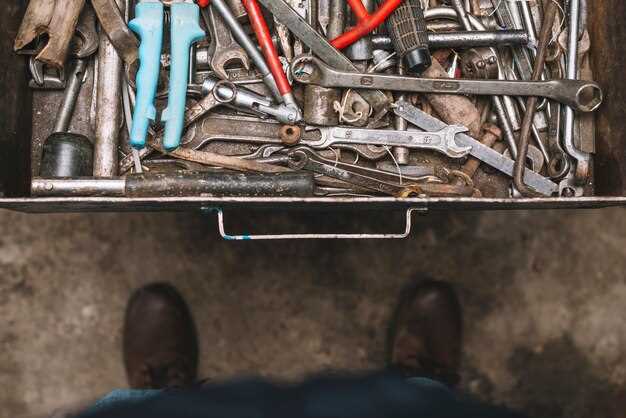
Having the right hand tools in your garage is crucial for performing routine car maintenance effectively. A well-equipped toolbox can save you time and money while ensuring your vehicle runs smoothly. Here are the essential hand tools to consider for your DIY car repair tasks.
A set of socket wrenches is fundamental for most car maintenance jobs. These tools allow for easy access to nuts and bolts in confined spaces, making tasks like changing oil or replacing filters much simpler. Make sure to include both standard and metric sizes in your selection.
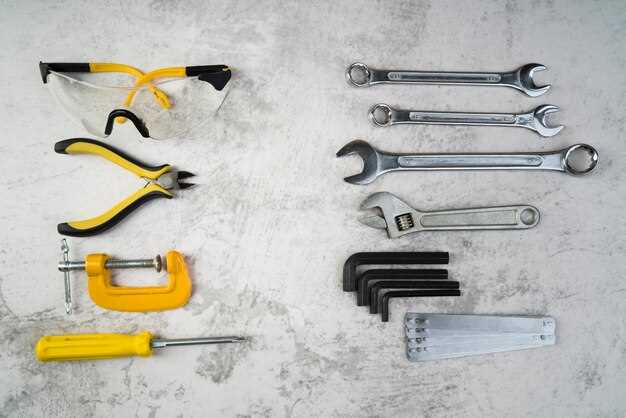
Combination wrenches are another must-have. They come with an open-end for quick loosening and a box-end for a tighter grip on fasteners. This versatility enables you to handle various types of screws and bolts effectively.
Additionally, a torque wrench is essential for ensuring that bolts are tightened to the manufacturer’s specifications. Over-tightening can lead to stripped threads or damaged components, while under-tightening may result in loose parts that could be unsafe.
Digital or dial gauges are important for checking tire pressure and other measurements. Maintaining proper tire pressure enhances safety and fuel efficiency, making a gauge a vital addition to your hand tools.
Consider including pliers and wire cutters in your toolkit as well. These tools are invaluable for gripping, twisting, and cutting wires during electrical repairs. Needle-nose pliers, in particular, provide precision for working in tighter areas.
Finally, having a set of screwdrivers–both flathead and Phillips–is essential for removing and replacing various components around the car. A magnetic or ratcheting screwdriver can add efficiency to your tasks, allowing for quicker changes.
Equipping your garage with these essential hand tools will make routine car maintenance tasks more manageable and enjoyable, helping you keep your vehicle in excellent condition.
Choosing the Right Power Tools for Automotive Repairs
When tackling DIY car repairs, selecting the appropriate power tools is crucial for effective and safe work. Here are key considerations and tools that can enhance your automotive repair experience:
- Types of Power Tools:
- Impact Wrench: Ideal for removing lug nuts and fasteners quickly. Look for a model with adjustable torque settings.
- Electric Drill: Essential for drilling holes and driving screws. A cordless variety offers portability and convenience.
- Angle Grinder: Useful for cutting, grinding, and polishing metal parts. Choose one with variable speed settings for better control.
- Table Saw or Band Saw: For more extensive repairs that include fabrication of parts, these tools are invaluable.
- Power Source:
Decide between cordless and corded tools. Cordless tools provide more flexibility, but corded options often offer more power for heavy-duty tasks.
- Battery Life:
If opting for cordless tools, consider models with long battery life or those that use interchangeable batteries for uninterrupted work.
- Ergonomics and Weight:
Choose tools that are comfortable to hold and use for extended periods. Lightweight options can help reduce fatigue.
- Accessories and Attachments:
Look for tools that offer a variety of attachments, such as drill bits, cutting blades, and sockets, to enhance versatility in your repairs.
In summary, the right power tools can significantly improve your DIY car repairs. By considering the types, source of power, ergonomics, and needed accessories, you can build an efficient and effective toolkit for your garage.
Specialized Diagnostic Tools Every DIY Mechanic Needs
In today’s automotive world, having specialized diagnostic tools in your garage can significantly enhance your diy repair capabilities. These tools are essential for identifying issues that may not be visible to the naked eye and can save both time and money in the long run.
OBD-II Scanner: An On-Board Diagnostics II (OBD-II) scanner is a must-have for any DIY mechanic. This device connects to your vehicle’s diagnostic port and retrieves fault codes generated by the engine control unit. The scanner not only helps in identifying issues but also provides real-time data on engine performance, making it easier to troubleshoot problems.
Multimeter: A multimeter is indispensable for diagnosing electrical issues. It measures voltage, current, and resistance, allowing you to test circuits and components effectively. Understanding how to use a multimeter will empower you to address electrical faults, which are often complex yet critical in vehicle repairs.
Compression Tester: For those tackling engine performance issues, a compression tester is invaluable. This tool measures the pressure created in each cylinder, revealing the health of the engine. Low compression readings can indicate problems such as worn piston rings or leaking valves, which may require additional repairs.
Brake System Analyzer: If your vehicle’s braking system is underperforming, a brake system analyzer can help pinpoint the problem. This tool assesses brake fluid quality, analyzes brake pad wear, and checks for any irregularities in the hydraulic system. Maintaining a safe and efficient braking system is paramount, making this analyzer an essential tool in your garage.
Car Battery Tester: Battery health is critical for your car’s performance. A car battery tester not only checks the charge level but can also assess the battery’s overall health and cranking power. Analyzing battery performance can prevent unexpected breakdowns and prolong battery life.
Scan Tool with Live Data: More advanced than a basic OBD-II scanner, a scan tool with live data capabilities allows you to monitor various systems in real-time. This feature is particularly useful for diagnosing intermittent issues that may not trigger a fault code. Being able to see how different sensors and systems operate live can give you a better understanding of the vehicle’s health.
Investing in these specialized diagnostic tools can transform your diy capabilities and lead to more accurate repairs in your garage. With the right equipment, you can tackle a wide range of automotive issues with confidence and precision.
Storage Solutions for Keeping Your Garage Organized
When it comes to DIY car repairs, a well-organized garage can significantly enhance your efficiency and creativity. Keeping your tools and equipment neatly stored is essential for easy access and safety. Here are some effective storage solutions to help you maintain a tidy garage:
A tool chest is a fundamental piece of equipment for every DIY enthusiast. It provides multiple drawers and compartments, allowing you to categorize and store tools by type or project. Utilizing vertical space with wall-mounted racks is a smart way to keep frequently used tools within easy reach. Consider pegboards or slat walls where you can hang tools, freeing up valuable floor space. Metal or plastic shelving units can hold larger items such as supplies, car parts, and accessories. Organizing items on shelves by category helps you quickly find what you need during your repairs. Invest in tool organizers that fit into your drawers to keep small items like screws, nails, and fasteners divided and easily accessible. Drawer dividers or tackle boxes are excellent options. For a cleaner look, consider closed cabinets where you can store items out of sight. This can minimize clutter and dust accumulation on your tools and equipment.
Implementing these storage solutions will not only keep your garage organized but also streamline your DIY car repair projects. Always remember to regularly assess your storage setup to ensure it continues to meet your needs as your tool collection grows.
Safety Gear to Protect Yourself During Repairs
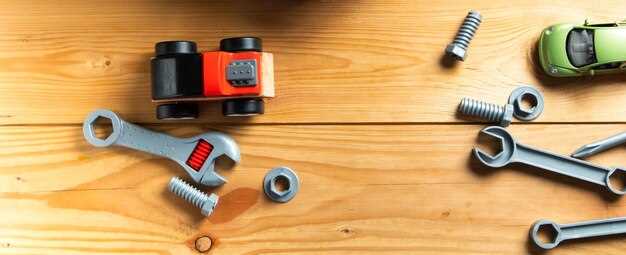
When undertaking DIY car repairs in your garage, safety should always be a top priority. The right safety gear can significantly reduce the risk of injury while working with various tools and materials. Below is a comprehensive list of essential safety equipment that every car enthusiast should have on hand.
| Safety Gear | Description |
|---|---|
| Safety Glasses | Protect your eyes from debris, fluids, and sparks that can occur during repairs. |
| Gloves | Wear chemical-resistant gloves to shield your hands from oils, greases, and sharp objects. |
| Steel-Toed Boots | These boots offer protection against heavy tools or parts that might accidentally drop on your feet. |
| Dust Mask | A mask can prevent inhalation of dust and harmful particles, especially when sanding or grinding. |
| Ear Protection | Use earplugs or noise-canceling headphones to guard against loud noises from power tools. |
| Coveralls | Wearing coveralls keeps your clothes clean and protects your skin from harmful substances. |
| Fire Extinguisher | Having a fire extinguisher readily available is crucial in case of an accidental fire during repairs. |
By equipping your garage with the above safety gear, you can work more confidently and efficiently, reducing the likelihood of accidents during your car repair projects. Always ensure that you wear appropriate gear for the specific tasks you are undertaking to maintain optimal safety.
Must-Have Accessories to Enhance Your Tool Kit
To maximize your DIY car repair capabilities in the garage, it’s essential to equip your tool kit with high-quality accessories. These items can significantly improve your efficiency and effectiveness when tackling various automotive tasks.
First, a magnetic tool holder can be invaluable. It allows you to keep your metal tools organized and easily accessible, preventing them from getting lost in your workspace. This simple accessory saves time and enhances productivity during repairs.
Another essential is a rolling tool cart. This accessory not only provides additional storage but also enables you to transport tools around your garage with ease. Being able to move your tools closer to your work area eliminates unnecessary trips and keeps you focused on the task at hand.
Consider investing in a high-quality mechanic’s creeper. This accessory allows you to comfortably slide under your vehicle while working, providing support and reducing strain on your back. A good creeper will enhance your reach and mobility, making repairs under the car much more manageable.
Quality work gloves are another must-have accessory. They protect your hands from sharp edges, hot components, and harsh chemicals that may be present during car repairs. A solid pair of gloves ensures grip and dexterity, making it easier to manipulate tools effectively.
Torque wrenches are crucial for any car repair enthusiast. They enable you to apply the correct amount of torque to fasteners, preventing over-tightening or under-tightening, which can lead to costly repairs down the line. Having this accessory in your toolkit promotes precision and safety.
Lastly, invest in a set of quality organizers or storage bins. A cluttered garage can lead to frustration and inefficiency. By categorizing your tools and accessories, you can save time searching for the right equipment and maintain a clean, organized workspace.
Incorporating these accessories into your garage tool kit will not only enhance your DIY car repair experience but also ensure that you are well-prepared for any project that comes your way.