 By Frederick Brown
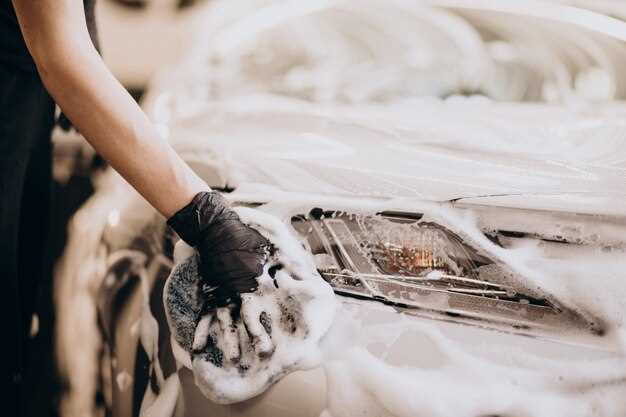
Maintaining the appearance and longevity of your car requires regular washing and waxing. A proper wash not only enhances your vehicle’s aesthetic appeal but also protects its paint from environmental damage. Understanding the best practices for washing your car is essential for achieving a spotless finish that will last.
When it comes to washing your vehicle, the right techniques and tools play a crucial role. Using a high-quality car wash soap, microfiber wash mitts, and soft towels are vital to avoid scratches and swirl marks. Additionally, washing your car in the shade and following a systematic approach–from top to bottom–ensures that dirt and grime are effectively removed without causing harm to the surface.
After the car is clean, applying a protective wax layer can significantly enhance the finish and provide a barrier against contaminants. Regular waxing not only adds shine but also facilitates easier cleaning during future washes. Understanding the types of wax available, such as paste, liquid, or spray, and knowing how to apply them correctly can elevate your car care routine to new heights.
Choosing the Right Car Wash Products
When it comes to maintaining the appearance and longevity of your vehicle, selecting the right car wash products is crucial. The quality of the washing agents can significantly impact the effectiveness of your routine. First, consider using a pH-balanced car wash soap. These soaps are specifically formulated to lift dirt and grime without stripping protective wax layers, ensuring that your vehicle not only looks clean but also retains its shine.
Next, check for the presence of additional cleaning agents in the wash products. Some may contain wax additives that enhance the protection of your vehicle’s paint. However, if you plan to wax your car separately, avoid products with wax components to prevent any interference with your waxing process.
For wheels and tires, use specialized cleaning products designed for these surfaces. These cleaners often contain stronger ingredients to effectively remove brake dust and tough grime. Avoid using the same soap meant for vehicle bodywork on wheels, as it may not provide adequate cleaning power.
In addition to soap and wax, consider using clay bars or surface decontaminants as part of your washing routine. These products help eliminate embedded contaminants that can dull your vehicle’s finish, preparing the surface for a smoother and more effective waxing application.
Lastly, look for biodegradable and environmentally friendly options when selecting car wash products. These formulations minimize environmental impact while still delivering excellent cleaning results. By choosing the right car wash products, you will not only enhance the aesthetic appeal of your vehicle but also protect its integrity for years to come.
Step-by-Step Guide to Hand Washing Your Car
Hand washing your car is an effective way to maintain its appearance and protect the paint. Follow these steps for a thorough clean.
Step 1: Gather Your Supplies
Before starting, collect all necessary materials: a bucket, car wash soap, two microfiber wash mitts, a sponge, a second bucket for rinse water, wheel cleaner, a soft brush for wheels, and drying towels. Optionally, have a wax product ready for post-wash protection.
Step 2: Choose the Right Location
Park your car in a shaded area to prevent soap from drying too quickly, which can lead to spots and streaks. Ensure the surface is flat to avoid water pooling.
Step 3: Rinse Your Vehicle
Start by thoroughly rinsing your car with water to remove loose dirt and debris. Use a hose with a spray nozzle for better control and coverage. Focus on areas prone to grime buildup, like the lower panels.
Step 4: Prepare Your Wash Solution
Fill one bucket with water and add the recommended amount of car wash soap. Use the second bucket filled with clean water for rinsing your wash mitts. This two-bucket method prevents dirt from going back onto the car surface.
Step 5: Wash the Car
Using one of the microfiber wash mitts soaked in the soap solution, start washing from the top of the car and work your way down. This method reduces the risk of scratching the paint as you clean the surfaces in a logical order. Rinse the mitt frequently in the second bucket to remove dirt.
Step 6: Clean the Wheels
Apply wheel cleaner to the tires and rims. Use a soft brush to scrub the wheels thoroughly, ensuring to reach all nooks and crannies. Rinse the wheels with clean water, removing all cleaner residue.
Step 7: Final Rinse
Once the entire car is washed, perform a final rinse with clean water, ensuring that no soap remains. Pay attention to trim and crevices where soap can hide.
Step 8: Drying the Vehicle
Use clean microfiber drying towels to dry your car, starting from the top and moving downwards. Gently blot rather than drag the towel across the surface to minimize the risk of scratches.
Step 9: Apply Wax (Optional)
For added protection and shine, apply a layer of wax after your car is completely dry. Follow the manufacturer’s instructions for best results, ensuring an even application across all surfaces.
Step 10: Clean Up
After washing and waxing, clean your tools and store them properly. Regular maintenance of your washing supplies prolongs their life and effectiveness.
Following these steps will help you keep your car clean, protect its finish, and maintain its overall appearance. Regular hand washing is an essential part of vehicle care.
Tips for Spotless Rinsing Techniques
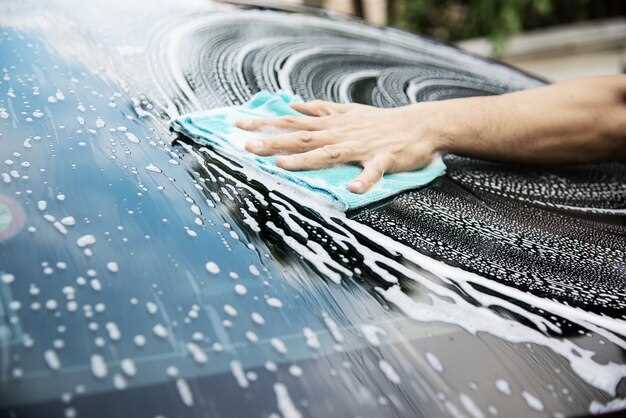
Achieving a spotless finish on your vehicle after washing requires careful rinsing techniques. Proper rinsing helps remove soap residue and prevents water spots that can mar the shine of your car. Here are some effective tips to ensure a thorough rinse every time:
| Tip | Description |
|---|---|
| Use a High-Pressure Rinse | Utilize a pressure washer or a hose with a high-pressure nozzle to effectively blast off soap and dirt particles from the surface of your car. This is especially useful for getting into crevices. |
| Rinse from Top to Bottom | Start rinsing from the roof of the car and work your way downwards. This ensures that dirt and soap flow downward, preventing recontamination of cleaned areas. |
| Rinse Thoroughly | Make sure to rinse every part of the vehicle, including the wheels, arches, and undercarriage. These areas often hold onto soap and dirt that can leave spots if not thoroughly washed away. |
| Use a Foam Cannon | If available, a foam cannon can be attached to your pressure washer. It applies a thick layer of foam, which makes rinsing easier, as it helps encapsulate dirt and grime. |
| Check for Residue | After rinsing, inspect the car for any remaining soap spots or dirt. Pay particular attention to the edges of panels and other areas where residue may accumulate. |
| Final Rinse with Soft Water | If possible, perform a final rinse with soft water, which contains fewer minerals than hard water. This helps to prevent water spots as the car dries. |
Implementing these rinsing techniques can significantly enhance the effectiveness of your car washing routine and prepare your vehicle for the waxing process, ensuring a glossy, flawless finish.
Understanding Different Wax Types for Your Vehicle
When it comes to protecting and enhancing the appearance of your car, choosing the right wax is essential. There are several types of wax available, each with unique properties that cater to different needs and preferences.
Carnauba wax, derived from the leaves of the carnauba palm, is one of the most popular options. Known for its deep shine and excellent water-repelling qualities, carnauba offers a traditional, natural product that many enthusiasts prefer. However, it tends to wear off faster than synthetic alternatives and may require more frequent application.
Synthetic wax, on the other hand, consists of polymer-based ingredients that provide a durable protective layer. This type of wax typically lasts longer than carnauba, offering enhanced resistance to environmental contaminants such as UV rays, dirt, and grime. Synthetic wax is ideal for those looking for low-maintenance solutions that still deliver a high-gloss finish.
Hybrid wax blends the best of both worlds, combining natural carnauba with synthetic components. This innovation delivers a rich appearance while maintaining longevity and durability. Hybrid wax is suitable for users who appreciate the warmth of carnauba’s shine but also seek the resilience of synthetic formulations.
Lastly, spray wax is a convenient option for quick applications and touch-ups. It is easy to use, making it an excellent choice for those who want to enhance the shine of their car between regular washes. While it may not provide the same level of protection as paste or liquid wax, it does offer a temporary boost in gloss and hydrophobic properties.
Understanding the different types of wax will help you choose the best product for your car, ensuring that it stays protected and looks its best after washing. Always consider your specific needs, application frequency, and desired results when making your choice.
How to Properly Apply Wax for a Lasting Shine
Waxing your car is an essential step in maintaining its appearance and protecting the paint. To achieve a long-lasting shine, follow these steps:
- Choose the Right Wax:
- Opt for a high-quality car wax, either liquid or paste, based on your preference.
- Consider carnauba wax for a deep shine and durability.
- Check reviews and ratings to find a product that suits your needs.
- Prepare Your Vehicle:
- Wash the car thoroughly to remove dirt and debris.
- Dry the surface with a microfiber towel to prevent water spots.
- Inspect for any scratches or blemishes and correct them before waxing.
- Apply Wax Evenly:
- Using a polisher or a foam applicator pad, take a small amount of wax.
- Start applying wax in small, circular motions to ensure even coverage.
- Work on one panel at a time for optimal results.
- Let it Haze:
- Allow the wax to dry to a haze according to the manufacturer’s instructions.
- Typically, this takes a few minutes but can vary based on temperature and humidity.
- Buff the Surface:
- Use a clean, dry microfiber cloth to buff the waxed area.
- Apply gentle pressure while removing the haze for a high-gloss finish.
- Continuously switch to clean sides of the cloth to avoid smearing.
- Finish and Inspections:
- After completing all panels, perform a final inspection for any missed spots.
- Reapply wax if any areas lack shine or protection.
Following these steps will help ensure that your car maintains a brilliant shine and is protected from the elements, enhancing its longevity and aesthetic appeal.
Maintenance Tips to Extend the Life of Your Car’s Finish
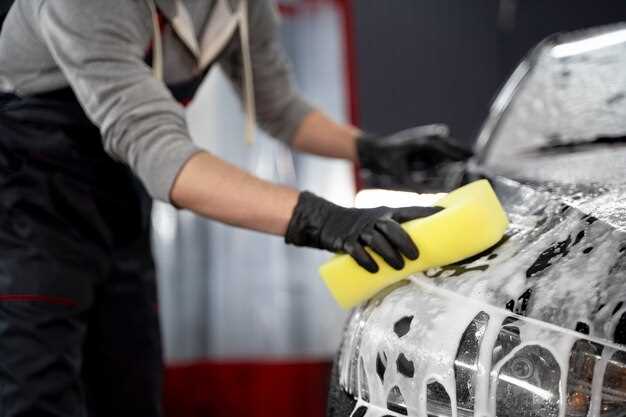
Regular washing is essential for maintaining your car’s finish and protecting it from environmental damage. Aim to wash your vehicle every two weeks or as often as necessary, especially after exposure to bird droppings, tree sap, or road salt. Use a pH-balanced car wash soap specifically designed for automotive surfaces to avoid damaging the paint.
When washing your car, utilize a microfiber wash mitt to minimize the risk of scratching. Always work from the top down, as dirt and grime will naturally fall from higher surfaces to lower ones. Rinse the mitt frequently in clean water to prevent abrasive particles from marring the finish.
After washing, ensure you dry the car thoroughly using a clean microfiber towel. This step helps prevent water spots, which can damage the clear coat over time. Pay extra attention to crevices and areas where water tends to accumulate.
Applying a high-quality wax or sealant every three months forms a protective barrier against UV rays, pollutants, and contaminants. Waxing not only enhances the car’s shine but also makes future washes easier, as dirt is less likely to adhere to a well-waxed surface.
Consider using a clay bar treatment periodically to remove embedded contaminants that washing alone may not eliminate. This process helps maintain a smooth surface and prepares your car for waxing. Follow it up with a sealant for best results.
Avoid washing your car in direct sunlight or extreme temperatures, as this can lead to streaks and uneven drying. Instead, choose a shaded area or wash your car during cooler parts of the day. Furthermore, be cautious of automatic car washes that use abrasive brushes, as they can leave scratches on your finish over time.
Finally, store your vehicle in a garage or use a car cover when not in use. This provides protection against harsh weather conditions and environmental pollutants that can degrade your car’s finish. Following these maintenance tips will help extend the life of your car’s appearance and keep it looking new for years to come.