 By Frederick Brown

Rust can be one of the most damaging elements to your car’s body, leading to decreased aesthetic appeal and potential structural issues. Regular maintenance plays a vital role in the prevention of rust formation. The key to protecting your vehicle lies in understanding the environmental factors and taking proactive measures to safeguard against corrosion.
Every car is susceptible to rust, especially in regions with harsh weather conditions or where roads are salted during winter. However, with consistent care and attention, you can significantly reduce the likelihood of rust developing on your car. By following a few straightforward tips and incorporating them into your regular maintenance routine, you’ll ensure your vehicle remains in optimal condition for years to come.
From thorough washing techniques to applying protective coatings, each aspect of maintenance contributes to the effective prevention of rust. Understanding the importance of these practices not only enhances the longevity of your vehicle but also preserves its resale value. Let’s explore some essential strategies that can help you achieve a rust-free car body.
Regularly Wash Your Car to Remove Contaminants
One of the most effective prevention strategies against rust formation is to regularly wash your car. Over time, dirt, grime, and various environmental contaminants can accumulate on your vehicle’s surface, creating an ideal environment for rust to develop. Regular maintenance through washing not only keeps your car looking good but also protects its metal components from corrosion.
When washing your car, pay special attention to areas prone to retaining moisture and debris, such as wheel wells, undercarriage, and the seams of doors and hoods. Using a high-quality car soap and soft scrub brushes will help eliminate stubborn grime without scratching the paint. Rinse thoroughly to remove all soap and contaminants, as any residue can lead to corrosion.
Additionally, consider using a wax or sealant after washing. These products create a protective barrier on the surface, further preventing dirt accumulation and moisture retention. Washing your car at least once a month, and more frequently during winter months or in coastal areas, is crucial for long-term maintenance. By prioritizing regular washing, you significantly reduce the risk of rust and prolong the lifespan of your vehicle.
Inspect and Repair Scratches and Dents Promptly
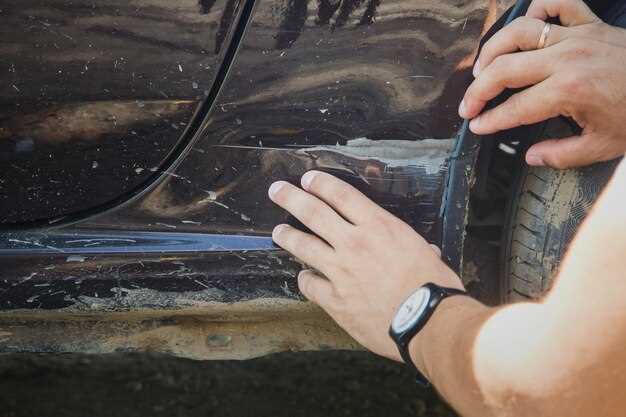
Regular maintenance of your vehicle is crucial to prevent rust from forming on the body. One of the most important aspects of this maintenance is the prompt inspection and repair of scratches and dents. These minor imperfections can expose the metal underneath the paint, creating an entry point for moisture, which accelerates the rusting process.
When you notice a scratch or dent, assess the damage immediately. Even small scratches can lead to significant rust issues if left unaddressed. A simple touch-up paint can be an effective solution to seal exposed areas and protect against corrosion. Make sure to choose a paint that matches your vehicle’s color for a seamless repair.
If the damage is more extensive, it may require professional attention. Dents that have compromised the paint layer should be repaired to prevent moisture buildup. In some cases, a clear sealant may be necessary after painting to ensure long-lasting protection against the elements.
Regularly inspecting your vehicle for these types of damage is an essential maintenance habit. By addressing scratches and dents promptly, you can significantly reduce the risk of rust developing, ultimately prolonging the lifespan and appearance of your car.
Apply a High-Quality Wax or Sealant for Protection
One of the most effective methods for rust prevention on your car body is the application of a high-quality wax or sealant. This protective layer not only enhances the aesthetic appeal of your vehicle but also provides essential maintenance for its longevity.
High-quality wax or sealant creates a barrier that shield the paint and metal surfaces from moisture, dirt, and corrosive elements. Here are some key benefits:
- Moisture Repellent: Wax or sealant forms a hydrophobic layer that repels water, reducing the likelihood of rust development.
- UV Protection: Many waxes contain UV inhibitors that protect your vehicle’s paint from fading due to sun exposure.
- Easy Cleaning: A waxed surface is smoother, making it easier to wash off dirt and contaminants that can cause damage over time.
- Long-Lasting Shield: High-quality products can provide protection for several months, depending on the type and environmental conditions.
For optimal results, follow these maintenance tips when applying wax or sealant:
- Choose the Right Product: Look for high-quality brands that specifically cater to automotive needs.
- Clean the Surface: Thoroughly wash and dry your vehicle to remove any dirt, grime, or previous wax layers.
- Apply Evenly: Use a foam applicator or microfiber cloth to apply wax or sealant evenly across the surface.
- Follow Instructions: Adhere to the manufacturer’s application and curing guidelines for the best results.
- Regular Reapplication: Schedule regular maintenance to reapply wax or sealant according to the product recommendations based on exposure and wear.
Investing time and effort into applying a high-quality wax or sealant is a proactive step in rust prevention. This simple maintenance routine can prolong the life of your vehicle and preserve its value.
Check and Maintain the Undercarriage Regularly
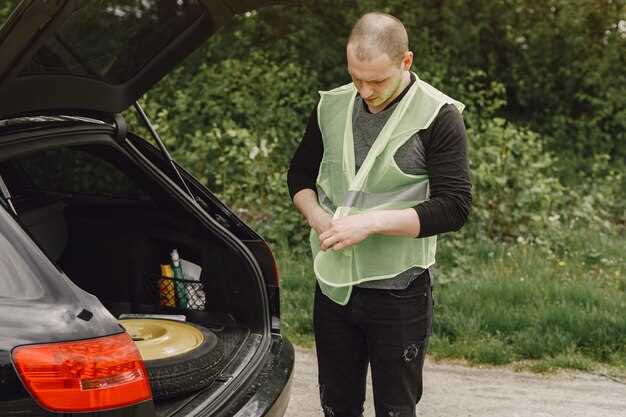
The undercarriage of your vehicle is one of the most vulnerable areas when it comes to rust formation. Regular maintenance is essential to ensure its durability and protect it from corrosion. Start by performing visual inspections every few months, paying close attention to areas where dirt, salt, and moisture tend to accumulate.
Prevention is key; make sure to clean the undercarriage thoroughly, especially after driving in wet or salty conditions. Use a high-pressure washer to remove any debris or grime that could trap moisture.
Additionally, consider applying a rust-inhibiting undercoating to provide an extra layer of protection against the elements. This maintenance not only helps in preventing rust but also extends the life of various components such as the exhaust system, fuel lines, and suspension parts.
Lastly, if you notice any signs of rust, address them immediately. Sanding down the affected area and applying a suitable rust treatment can prevent further deterioration. Regular maintenance of the undercarriage is a proactive approach in combating rust on your car body.
Utilize a Professional Rust-Proofing Treatment
One of the most effective methods for rust prevention is to invest in a professional rust-proofing treatment. These specialized treatments protect your car’s body from moisture, salt, and other corrosive elements that contribute to rust formation.
Professional rust-proofing services typically provide comprehensive coverage that extends beyond what traditional DIY methods can offer. Experts in the field use high-quality materials and techniques that ensure a durable, long-lasting barrier against rust.
Before proceeding with a rust-proofing treatment, it’s essential to understand the different types available. Here’s a comparison table of common rust-proofing treatments:
| Treatment Type | Application Method | Durability | Cost |
|---|---|---|---|
| Oil-Based | Sprayed on | 1-2 years | Low |
| Wax-Based | Applied by brush/spray | 2-3 years | Medium |
| Electronic | Installed on the vehicle | Indefinite if maintained | High |
| Epoxy | Sprayed undercarriage | 5+ years | Medium to High |
Choosing the right treatment will depend on your vehicle type, driving environment, and budget. Consulting with professionals who can evaluate your specific needs is crucial for maximizing rust prevention. They can also provide recommendations for follow-up maintenance and inspections to keep your car in optimal condition.
Incorporating a professional rust-proofing treatment will not only extend the life of your vehicle but also maintain its aesthetic appeal and resale value. Prioritize this investment to protect your vehicle from the damaging effects of rust.
Store Your Vehicle Properly to Minimize Exposure
Proper storage of your vehicle plays a crucial role in preventing rust formation. Ideally, you should park your car in a garage or another enclosed space to protect it from harsh weather conditions. Exposure to rain, snow, and high humidity can accelerate rust development on your car’s body.
If indoor storage is not an option, consider investing in a high-quality car cover designed to repel moisture and allow air circulation. This will help create a barrier between your vehicle and the elements, reducing the likelihood of rust.
Additionally, ensure that your vehicle is clean before storage. A thorough wash can eliminate grime, salt, and other contaminants that contribute to rust. Don’t forget to dry it completely, as moisture trapped under dirt can promote corrosion.
Regular maintenance is essential, even during periods of inactivity. Check your vehicle periodically for any signs of rust or damage, and apply touch-up paint to any exposed metal surfaces. This proactive approach can significantly extend the life of your car and keep rust at bay.
Using a dehumidifier or moisture-absorbing products in your storage area can also help control humidity levels, further protecting your vehicle from rust. By taking these simple yet effective measures, you can keep your car in excellent condition and minimize the risk of rust.