 By Frederick Brown
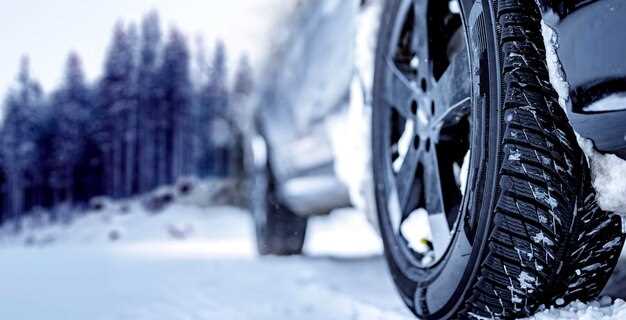
As winter descends upon us, the need for optimal vehicle performance becomes paramount, especially in regions prone to heavy snow and icy conditions. Selecting the right winter tires is crucial for ensuring safety and enhancing the driving experience during extreme weather. Without the proper tires, navigating through harsh winter conditions can lead to accidents and vehicle damage.
Winter tires are specifically designed to provide superior traction, handling, and braking capabilities on snow and ice-covered roads. Their unique tread patterns and rubber compounds remain flexible at low temperatures, allowing for improved grip compared to all-season tires. This adaptability is essential in maintaining control and maneuverability when confronting the challenges presented by winter weather.
Moreover, choosing the right winter tires involves considering various factors, including tire size, tread depth, and specific design features tailored for extreme conditions. Understanding these elements will equip drivers with the knowledge necessary to make informed decisions and ensure that their vehicles are adequately prepared for the rigors of a harsh winter season.
Understanding Tire Tread Design for Snow Performance

When choosing tires for extreme winter conditions, the tread design plays a crucial role in ensuring optimal performance on snow-covered surfaces. Snow tires are specifically engineered with deeper treads and unique patterns that enhance traction, allowing vehicles to navigate safely through snow drifts and icy conditions.
The patterns on snow tires typically feature wide grooves and channels that help evacuate snow and slush from the contact patch. This design minimizes the risk of hydroplaning by efficiently displacing water and slush, which can become problematic when driving in heavy snowfall. Additionally, larger and more pronounced biting edges improve grip during acceleration and braking, providing better control on slippery surfaces.
Another significant aspect of tire tread design for snow performance is the use of specialized rubber compounds. Unlike all-season tires, snow tires are made with softer rubber that remains pliable in low temperatures. This flexibility allows the tires to conform better to the uneven surfaces of snow, increasing the area of contact and enhancing grip.
Moreover, many snow tires incorporate features like micro-siping–tiny slits in the tire tread that create additional edges for traction. These sipes work effectively by providing grip in both snow and icy conditions, contributing to improved stability and handling. The combination of these intricate tread designs and innovative materials makes snow tires an essential choice for driving in extreme winter weather.
Evaluating Rubber Composition for Cold Weather Flexibility
When selecting winter tires for extreme conditions, the rubber composition plays a crucial role in ensuring optimal performance on snow and ice. The ability of the tire to maintain flexibility in low temperatures directly impacts traction, handling, and overall safety.
In cold weather, traditional rubber compounds can become rigid, reducing the tire’s grip on slippery surfaces. This is why winter tires are engineered with specialized rubber formulations that include high levels of natural rubber and certain additives. These materials are designed to stay pliable even in freezing conditions, allowing the tires to adapt to the road surface and enhance contact with the ground.
Moreover, the choice of rubber composition includes the use of specific polymers known for their cold weather performance. These polymers help in creating a tire that can effectively absorb impacts while maintaining flexibility. As a result, winter tires can provide better cornering stability and braking performance when navigating through snow and icy terrains.
Another important factor is the tire’s tread design, which works in conjunction with the rubber composition. Features such as deep grooves and sipes increase the tire’s ability to channel water and slush away from the contact patch, further improving grip. However, all these benefits stem from the base rubber materials used in tire construction.
Ultimately, evaluating the rubber composition of winter tires is essential for ensuring safety and performance in extreme weather conditions. By choosing tires made from advanced, cold-flexible rubber, drivers can better navigate unpredictable winter roads, reducing the risk of accidents and enhancing overall driving confidence.
Identifying the Right Size and Fit for Your Vehicle
Choosing the correct size and fit for winter tires is crucial to ensure optimal performance and safety in extreme weather conditions. Begin by checking your vehicle’s owner manual or the tire placard located on the driver’s side door jamb. This information provides the recommended tire size, which typically includes the width, aspect ratio, and diameter.
When selecting winter tires, it is important to ensure that the new tires match the specifications outlined by the manufacturer. Maintaining the recommended tire dimensions not only aids in handling and stability but also prevents potential issues with your vehicle’s suspension and braking systems. The size is expressed in a format such as 205/55R16, where ‘205’ is the width in millimeters, ’55’ is the aspect ratio representing the sidewall height, and ’16’ is the diameter of the wheel in inches.
Additionally, consider the type of winter tires that best suit your driving conditions. Winter tires come in a variety of tread patterns designed for different levels of snow and ice traction. Selecting a tire with an appropriate tread design can enhance grip on slippery surfaces. Pay attention to attributes such as studdability, as some tires are made for additional traction while others are not.
Moreover, assess the load index and speed rating of the tires. The load index indicates the maximum weight a tire can support, while the speed rating denotes the maximum speed capability of the tire. Ensure that these ratings meet or exceed your vehicle’s requirements, as using tires with inadequate capabilities can compromise safety.
Finally, consider consulting professionals at a tire shop. They can provide expert advice and ensure that the winter tires you choose are not only the right size but also compatible with your vehicle’s overall dynamics, guaranteeing a safe and comfortable drive during harsh winter conditions.
Assessing the Importance of Tire Ratings for Severe Conditions
When selecting winter tires designed for extreme weather, understanding tire ratings is crucial. These ratings offer insights into the tire’s performance in specific conditions, particularly snow and icy surfaces. Tires bearing the “Three-Peak Mountain Snowflake” symbol have passed stringent tests for traction on snow-covered roads, ensuring they can effectively manage severe winter conditions.
Furthermore, tire ratings include categories like treadwear, traction, and temperature resistance. A tire with high traction ratings is essential for gripping slippery roads, significantly reducing the risk of skidding. Also, the tread pattern plays a vital role; deeper grooves and unique designs are engineered to channel snow and slush, enhancing stability and control.
In addition to traction, the temperature rating indicates how well a tire can perform in cold weather. Winter tires designed for extreme cold maintain flexibility, which is vital for achieving maximum contact with the road surface. Therefore, it is essential to choose tires that are specifically rated for severe conditions to ensure safety and reliability during winter drives.
Ultimately, carefully assessing tire ratings empowers drivers to make informed decisions. Investing in high-quality winter tires with appropriate ratings ensures better handling, improved braking, and enhanced safety under harsh winter circumstances.
Comparing Studded vs. Non-Studded Winter Tires
When faced with extreme winter weather, selecting the right winter tires is crucial for safety and performance. Two primary types of winter tires are studded and non-studded options, each designed for specific conditions and driving preferences. Understanding the differences between these two types can help drivers make informed decisions.
| Feature | Studded Tires | Non-Studded Tires |
|---|---|---|
| Traction on Ice | Superior traction on icy surfaces due to metal studs providing additional grip. | Good traction, but less effective on hard-packed ice compared to studded variants. |
| Traction on Snow | Effective in deep snow but may not outperform non-studded tires on freshly fallen snow. | Generally better in loose snow due to their tread design, which enhances snow-to-snow grip. |
| Road Noise | Higher road noise due to the presence of metal studs, which can be disruptive to some drivers. | Quieter performance, offering a more comfortable ride on dry and wet roads. |
| Damage to Roads | Can cause damage to road surfaces, which has led to restrictions in some areas. | Less road wear, making them a preferable choice in regions with strict regulations against studded tires. |
| Performance in Varying Conditions | Best suited for severe winter conditions, especially in areas with heavy ice. | More versatile for changing conditions, including wet or slushy roads. |
| Legal Regulations | Legal restrictions might apply in certain regions regarding use and timing. | More widely accepted without restrictions, ideal for urban environments. |
Ultimately, the choice between studded and non-studded winter tires should be based on climate, driving conditions, and personal preferences. For those facing extreme ice conditions, studded tires provide the necessary grip, while non-studded options offer better performance in mixed winter weather and less noise. Evaluating local regulations and typical weather patterns is also essential in making the best choice for winter safety.
Knowing When to Replace Winter Tires for Maximum Safety

Winter tires play a crucial role in ensuring safety during extreme weather conditions, particularly in snowy environments. However, over time, even the best tires wear out and lose their effectiveness. Here are key indicators that it’s time to replace your winter tires:
- Tread Depth
The tread depth of your winter tires should be regularly checked. A minimum tread depth of 6/32 inches is recommended for optimal performance in snow. If you notice that the tread has worn down to 4/32 inches or less, it’s time for a replacement.
- Visible Damage
Inspect your tires for any signs of damage, including cracks, bulges, or punctures. Any visible irregularities can significantly compromise their effectiveness on snowy roads.
- Age of the Tires
Even if the tread appears adequate, winter tires should typically be replaced every six years. Rubber compounds break down over time, reducing grip on snow and ice.
- Wet or Slushy Performance
If you find that your tires are slipping or spinning during wet or slushy conditions, this could indicate that the tire grip has diminished, necessitating a replacement.
- Handling and Stability
Pay attention to the handling of your vehicle. If the tires feel less stable or responsive on snowy roads, this may be a sign that they are no longer performing adequately.
Maintaining tire safety is essential for navigating harsh winter conditions. Regular inspections and timely replacements will help ensure that you can drive confidently in snowy conditions.