 By Frederick Brown
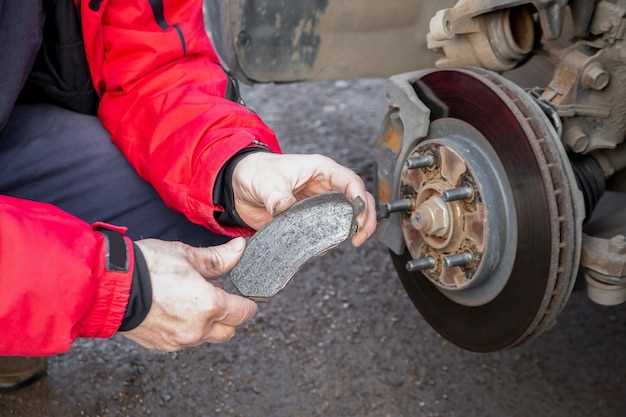
Brake fade is a critical issue that can compromise vehicle safety, especially during demanding driving conditions. It occurs when the braking system experiences overheating, leading to a significant reduction in its effectiveness. As the temperature of the brake components rises, the friction materials lose their ability to generate adequate stopping power, resulting in a longer stopping distance and increased risk of accidents.
Several factors contribute to brake fade, with excessive heat being the primary culprit. When brakes are continuously applied, either during steep descents or frequent stop-and-go traffic, the heat generated can surpass the material limits of the brake pads and rotors. This thermal buildup alters the physical properties of these components, which can lead to a decrease in friction and, ultimately, brake failure.
Preventing brake fade requires a proactive approach to vehicle maintenance and driving habits. Understanding when and how brake fade occurs enables drivers to implement strategies that minimize its risk. From choosing the right brake components to adopting smoother driving techniques, there are several practical ways to ensure optimal braking performance and enhance safety on the road.
Identifying the Symptoms of Brake Fade
Brake fade is a critical issue that drivers may encounter, often resulting from overheating of the brake components. One of the primary symptoms of brake fade is a noticeable decrease in braking performance. When you press the brake pedal, the vehicle may not respond as promptly, leading to an unsettling feeling of being unable to stop quickly.
Another common indicator is an unusual smell. When brakes overheat, they can emit a burnt odor, which is often comparable to the smell of burnt rubber. This odor typically signals that the brake pads and rotors have reached excessively high temperatures, diminishing their effectiveness.
The sound of grinding or squealing is also a significant symptom. If you hear these noises while braking, it may indicate that the brake pads have deteriorated, further contributing to fade as they can no longer provide adequate friction. Additionally, if your steering wheel vibrates when applying the brakes, it may suggest that the rotors are warped due to excessive heat, which can worsen the fading issue.
Lastly, an increase in stopping distance is a clear sign of brake fade. If your vehicle takes longer to come to a complete stop than usual, it could indicate that the brakes are overheating and losing their ability to generate sufficient stopping power. Recognizing these symptoms early can help prevent more severe braking failures and ensure a safer driving experience.
How Overheating Affects Brake Performance
Overheating is a critical factor that can significantly impair brake performance. When brakes are used frequently, especially in high-demand situations like steep descents or aggressive driving, the heat generated can lead to several issues.
The primary effects of overheating on brake performance include:
- Brake Fade: As brakes heat up, the friction material can lose its effectiveness, resulting in a decrease in stopping power.
- Warping of Brake Rotors: Excessive heat can cause rotors to warp, leading to vibrations and uneven brake application.
- Reduced Pedal Response: Overheating can affect the brake fluid, leading to a spongy brake pedal sensation, delaying responsiveness.
- Increased Wear and Tear: High temperatures can accelerate the wear of brake pads and other components, resulting in more frequent replacements.
To prevent overheating and maintain optimal brake performance, consider the following:
- Monitor brake fluid levels and replace it periodically, as moisture can lower its boiling point.
- Upgrade brake components if you frequently encounter situations that demand high braking force.
- Practice smoother driving techniques by anticipating stops to reduce the frequency of hard braking.
- Regularly inspect and maintain your braking system, including pads, rotors, and calipers.
Understanding how overheating affects brakes is essential for safety and performance. By taking preventive measures, drivers can ensure their braking systems function effectively, even under demanding conditions.
Common Causes of Brake Fade in Vehicles

Brake fade occurs when the braking system experiences a reduction in stopping power due to overheating. Several factors contribute to this phenomenon, and understanding them is essential for effective prevention.
1. Overheating of Brake Components: One of the primary causes of brake fade is the excessive heat generated during prolonged or aggressive braking. When the brake pads and rotors heat up, the friction materials can lose their effectiveness, resulting in a diminished braking response.
2. Poor Quality Brake Pads: The type and quality of brake pads used can significantly impact fade susceptibility. Low-quality materials often have lower heat resistance, leading to quicker degradation under high-stress conditions.
3. Inadequate Brake Cooling: A lack of adequate airflow around the braking system can contribute to overheating. If brake components are enclosed or obstructed, heat cannot dissipate efficiently, increasing the likelihood of fade.
4. Excessive Vehicle Load: Carrying a heavy load can put additional strain on the braking system. The extra weight increases both the amount of energy that must be dissipated through braking, and the heat generated during braking, contributing to fade.
5. Continuous Braking: Frequent or sustained braking, such as during downhill driving, can lead to repeated heat buildup. As the brakes are continuously applied, they do not have enough time to cool down, which can cause fade over time.
6. Brake Fluid Issues: Brake fluid plays a crucial role in the functioning of the braking system. If the fluid is contaminated or degraded, its boiling point can lower, leading to vapor lock and a subsequent loss of braking power.
7. Improper Brake Adjustment: Incorrectly adjusted brakes can lead to uneven wear and reduced friction, promoting a rapid loss of braking efficiency and increasing the chances of fade.
By recognizing these common causes of brake fade, vehicle owners can take proactive measures to maintain their braking systems and ensure their safety on the road.
Factors Contributing to Brake Overheating
Brake overheating is a critical issue that can lead to brake fade, compromising vehicle safety. Several factors contribute to brake overheating, including environmental conditions, driving habits, and the mechanical condition of the braking system.
One significant factor is the type of driving. Frequent stops and starts, particularly in urban areas, generate excessive friction and heat in the brake components. This heat can quickly accumulate, leading to a decrease in braking efficiency.
Another contributing element is ambient temperature. Hot weather can exacerbate braking conditions, as the heat from the environment adds to the friction generated during braking. Similarly, descending long hills requires continuous braking, which can also lead to overheating.
Brake system design plays a crucial role as well. Some vehicles come with smaller brake components that are inadequate for high-performance driving or heavy loads. This mismatch can increase the chances of brake fade under demanding conditions.
Furthermore, the choice of brake pads can influence overheating. High-friction materials may generate more heat but provide better performance, whereas low-quality pads can wear quickly and fail to dissipate heat effectively, leading to fade.
Lastly, lack of maintenance is an often-overlooked factor. Worn components, such as brake pads and rotors, can reduce the system’s ability to dissipate heat. Regular inspections and timely replacements are essential for preventing overheating and ensuring optimal braking performance.
| Factor | Description |
|---|---|
| Driving Style | Frequent braking and aggressive driving can generate excess heat. |
| Environmental Conditions | High temperatures and prolonged descents amplify heat generation. |
| Brake System Design | Inadequate brake component sizing can lead to inefficiency under stress. |
| Brake Pad Quality | Poor-quality pads can increase wear and fail to channel heat away. |
| Maintenance | Neglecting brake system upkeep can lead to overheating issues. |
Preventative Measures to Avoid Brake Fade
To effectively prevent brake fade, it is essential to maintain optimal operating temperatures for your braking system. Overheating is a primary cause of brake fade, so ensuring that brake components remain cool during operation is crucial. Regular inspection of brake fluid levels and quality can help identify potential issues before they escalate, as old or contaminated fluid can contribute to overheating.
Upgrading to performance brake pads designed to withstand higher temperatures is another effective measure. These pads are engineered to provide consistent stopping power without succumbing to fade under extreme conditions. Additionally, ensure that your brake rotors are in good condition; warped or worn rotors can trap heat, exacerbating the risk of overheating.
Proper driving techniques also play a significant role in preventing brake fade. Avoiding excessive brake use, especially on downhill slopes, minimizes heat generation. Instead, use engine braking to reduce vehicle speed when possible. Maintaining a safe following distance can allow for smoother deceleration and reduce the frequency of heavy braking.
Regular maintenance of brake components, such as replacing worn-out pads and rotors, is vital. Consider installing ventilated or slotted rotors, which improve airflow and heat dissipation. Lastly, if you frequently drive in conditions that demand high brake performance, such as racing or mountainous terrain, consider equipping your vehicle with high-performance brake systems designed to combat fade effectively.
When to Seek Professional Brake Services
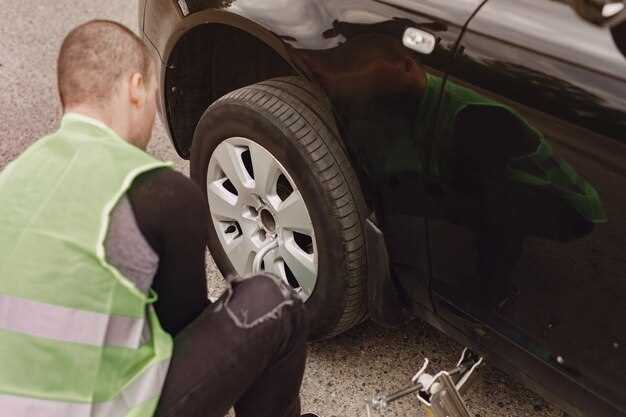
Brake systems are critical for vehicle safety, and understanding when to seek professional services can prevent dangerous situations. One sign that your brakes may be experiencing fade is a decrease in responsiveness. If you notice that your brakes feel soft or require more pressure to engage, it is time to consult a professional.
Another indication of potential issues is overheating. If you detect a burning smell or hear unusual noises, such as grinding or squeaking, especially after prolonged use, this may suggest that your brake components are suffering from extreme overheating. These symptoms should not be ignored, as they can lead to significant damage if left unaddressed.
Additionally, pay attention to any vibrations or pulsations when applying the brakes. This can signify warped brake rotors or uneven wear on brake pads. A professional technician can assess the situation and recommend appropriate repairs.
Regular inspections and maintenance can help you avoid major problems. If you find that your vehicle’s braking performance has changed or if you suspect your brake system is compromised, do not hesitate to seek help. Ensuring your brakes are in optimal condition is essential for your safety and the safety of others on the road.